Hera Gallery Presents
Threading Time
and Place
June 27 – August 1, 2026
Sat, June 27·6–8 pm
About the Exhibition
Hera Gallery and Educational Foundation is excited to present Threading Time and Place, a project that has been conceived in alignment with the national commemoration of the 250th anniversary of the American Revolution and, more specifically, the role of Rhode Island in the birth of the Nation. Hera was awarded a grant from the RI250 Commission to partially fund this exhibition.
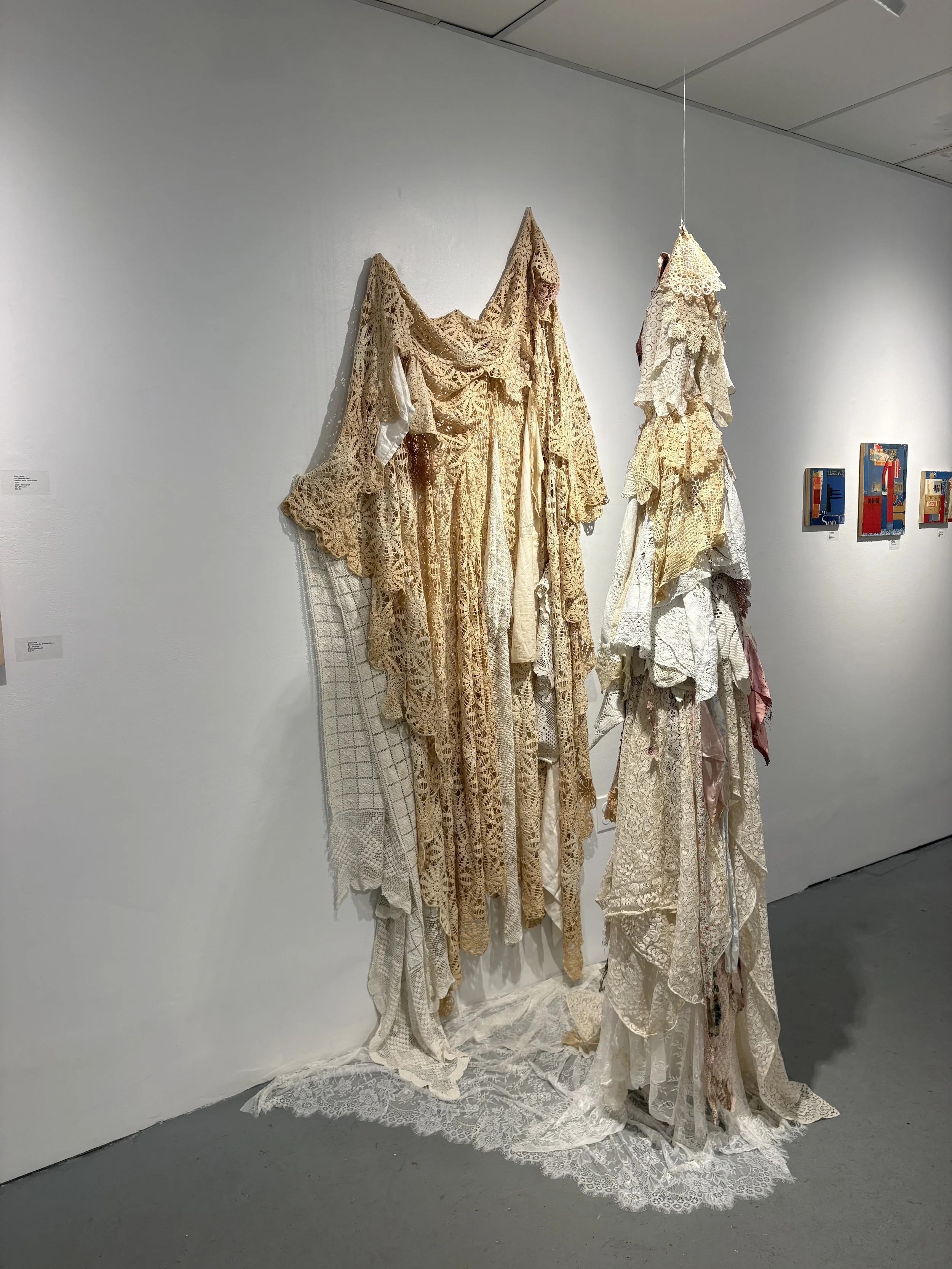
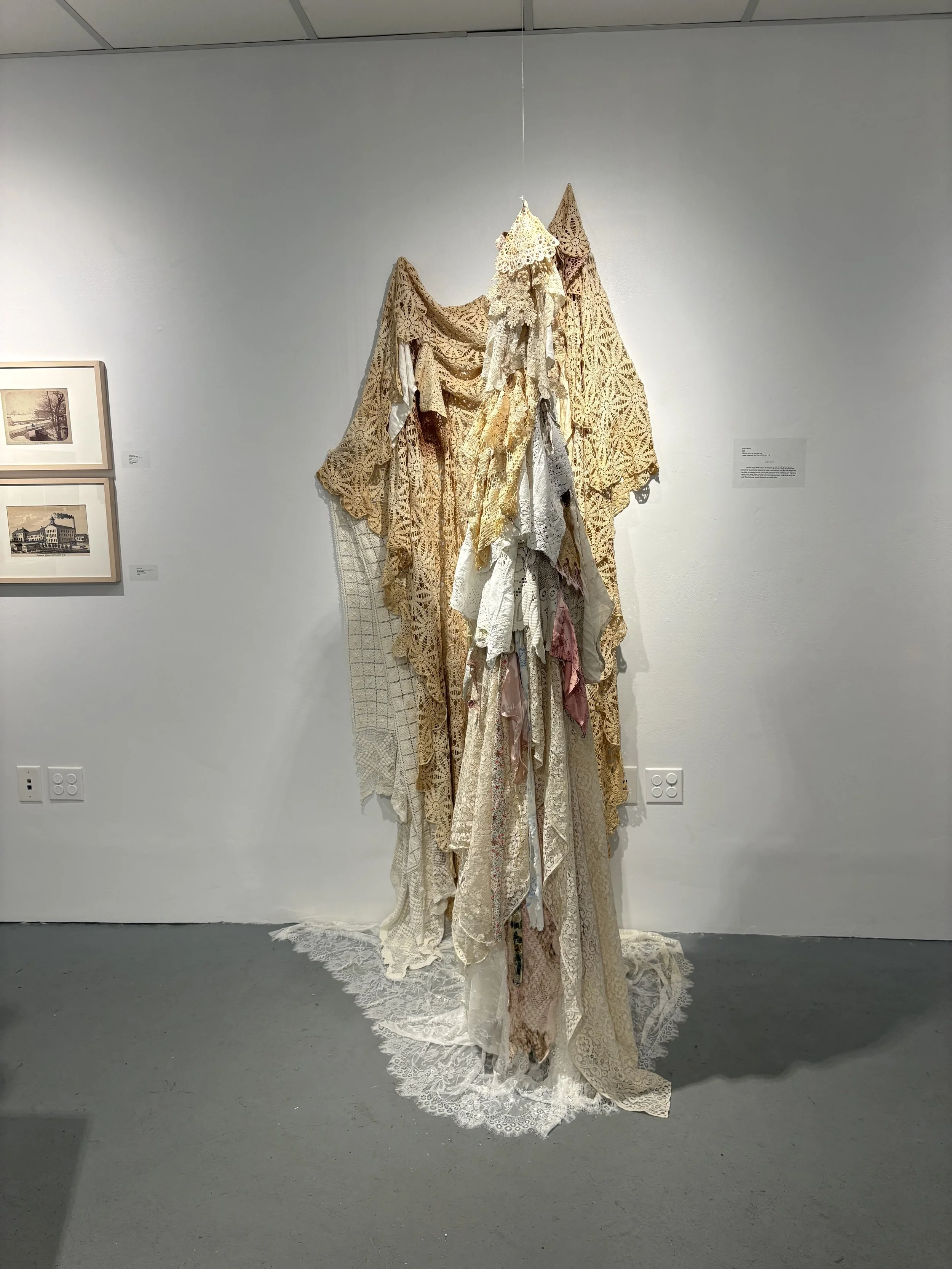
RI250 is a commemoration, organized by the RI250 Commission, of the ideals of hope, freedom, justice, and independence, themes that have similarly shaped Hera‘s exhibition history for over 50 years. Threading Time and Place aims to engage the community in a dialogue about the textile industry that built South County, and reflect on how this shared history may illuminate our understanding of ourselves in the present socio-cultural context and influence our choices as we collectively shape the future.
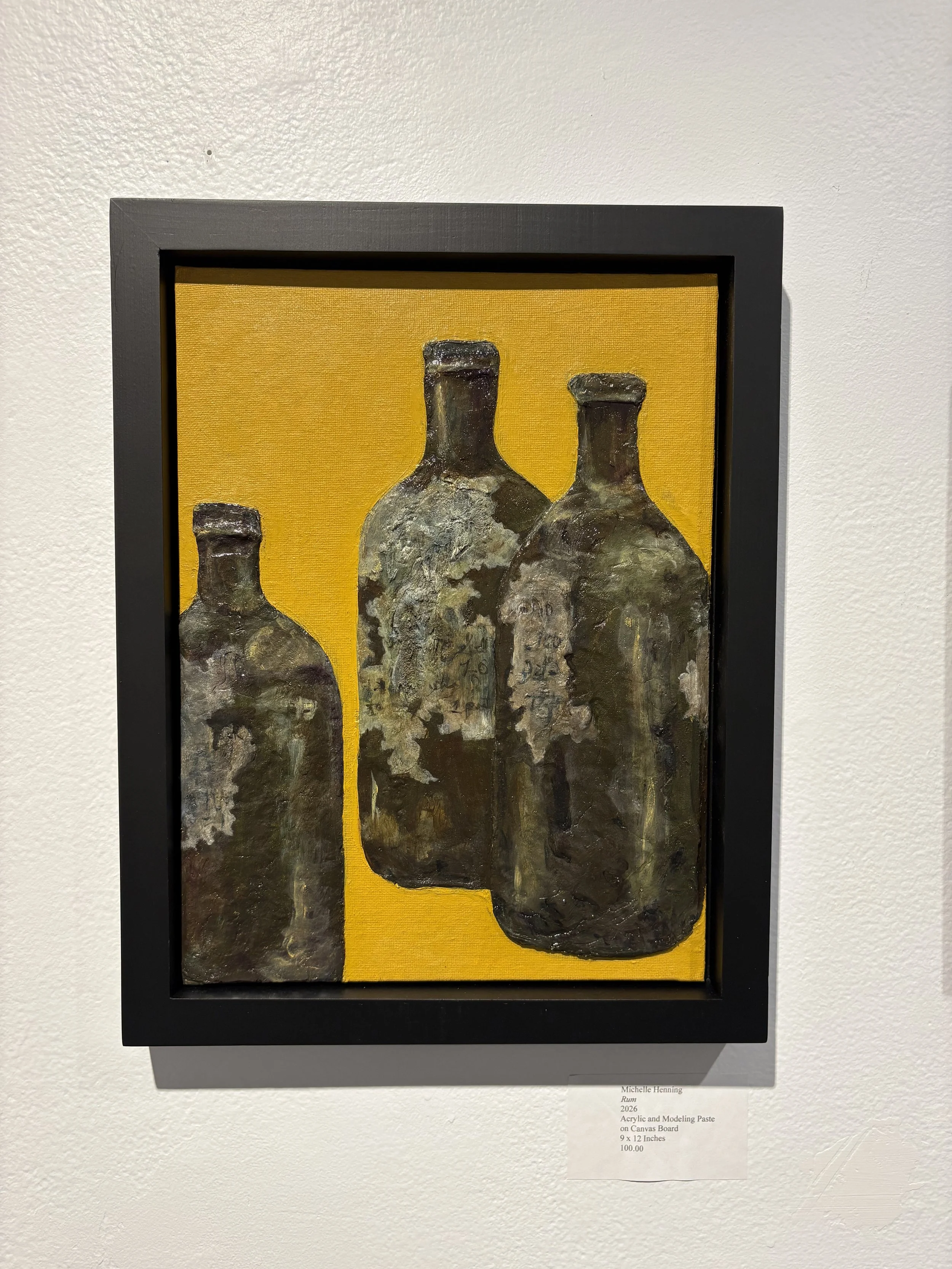
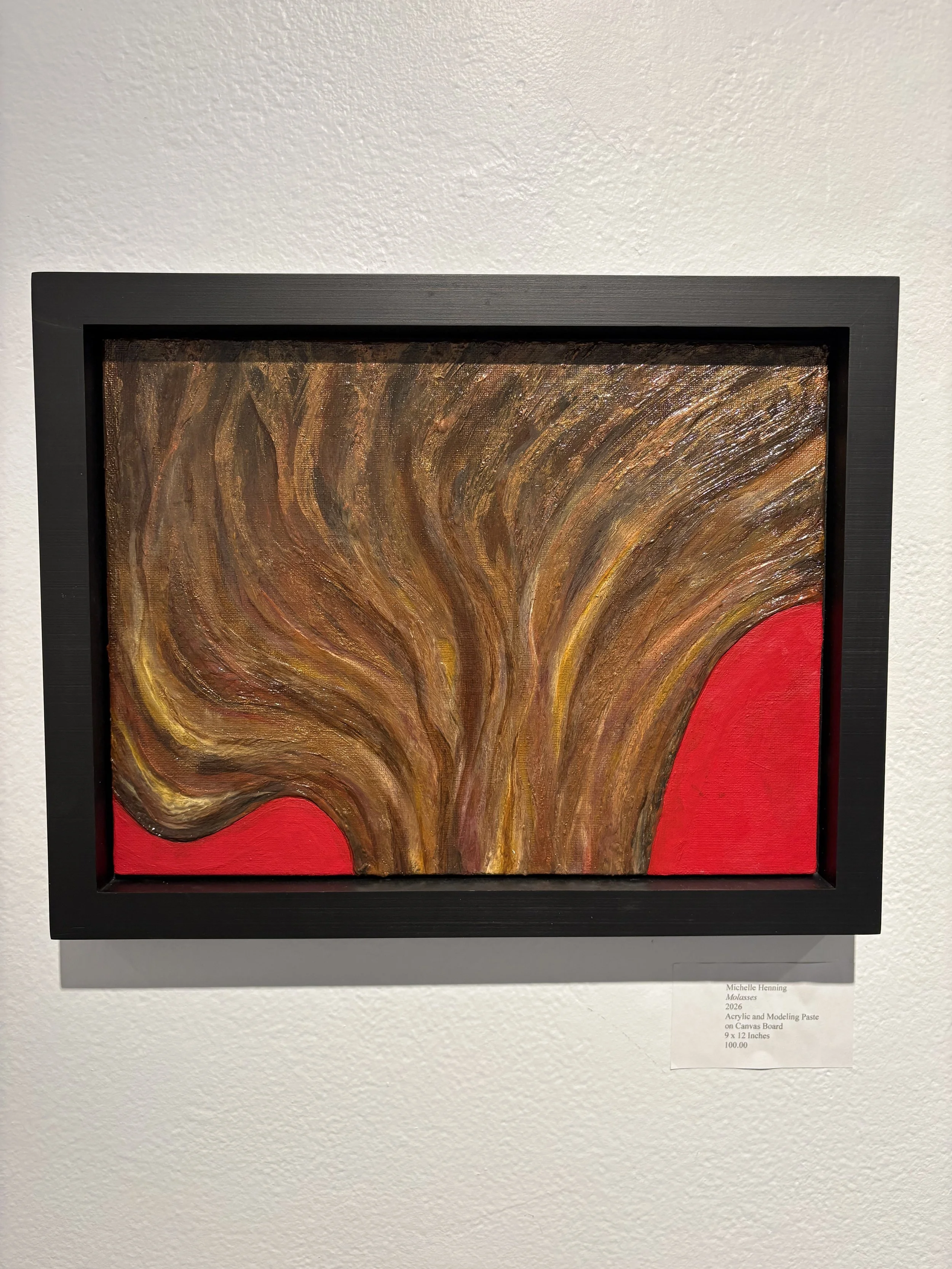
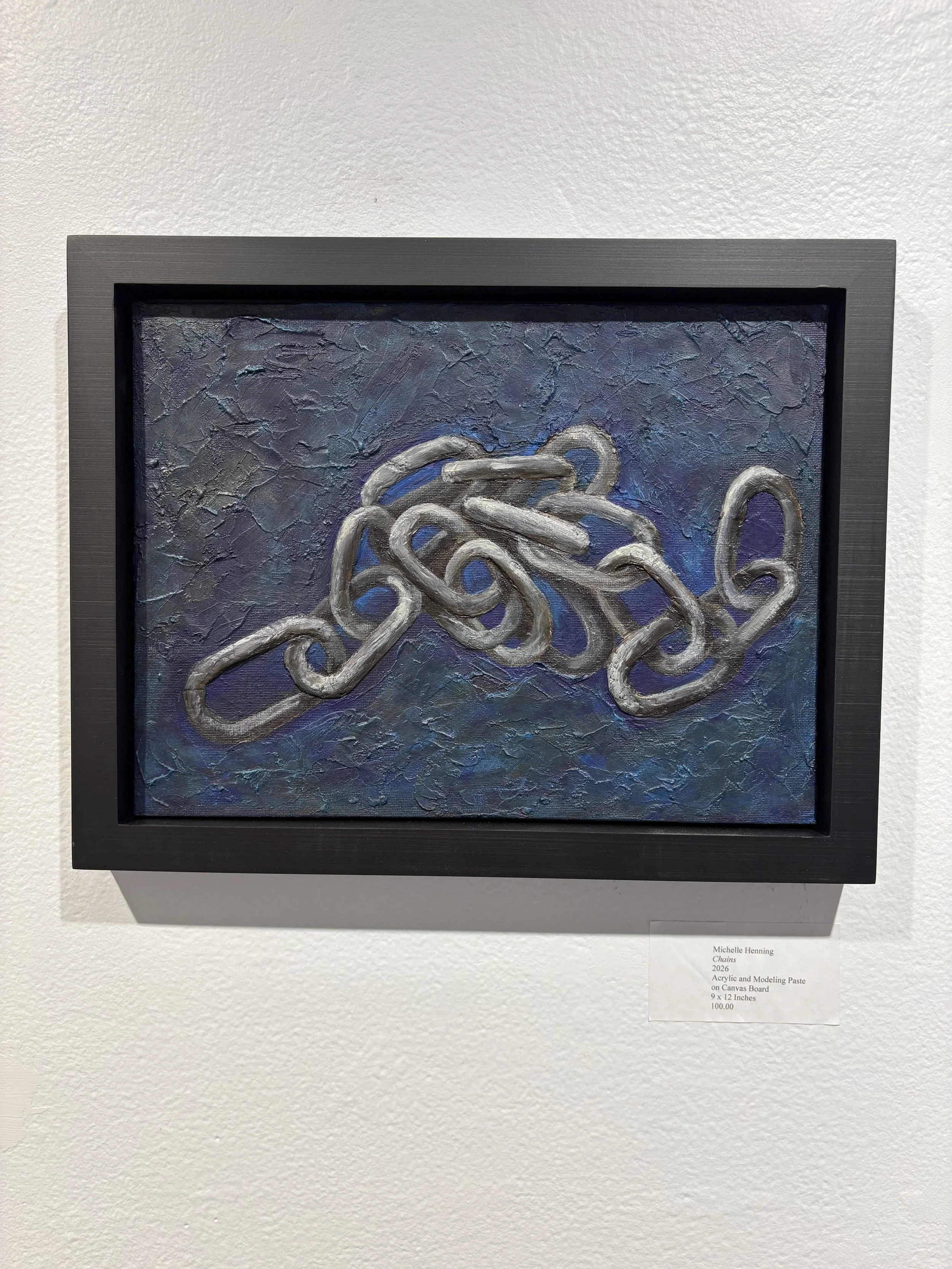
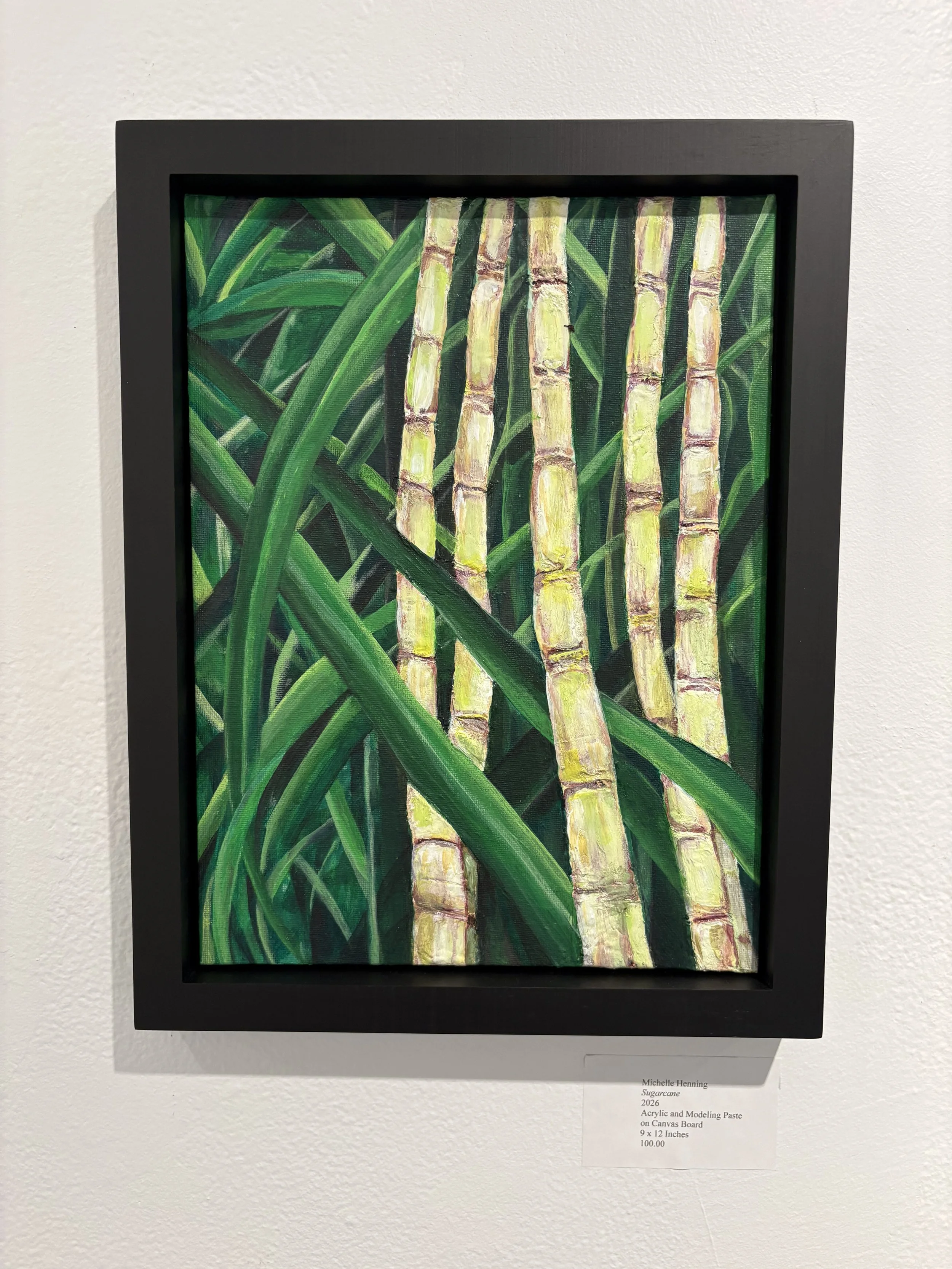
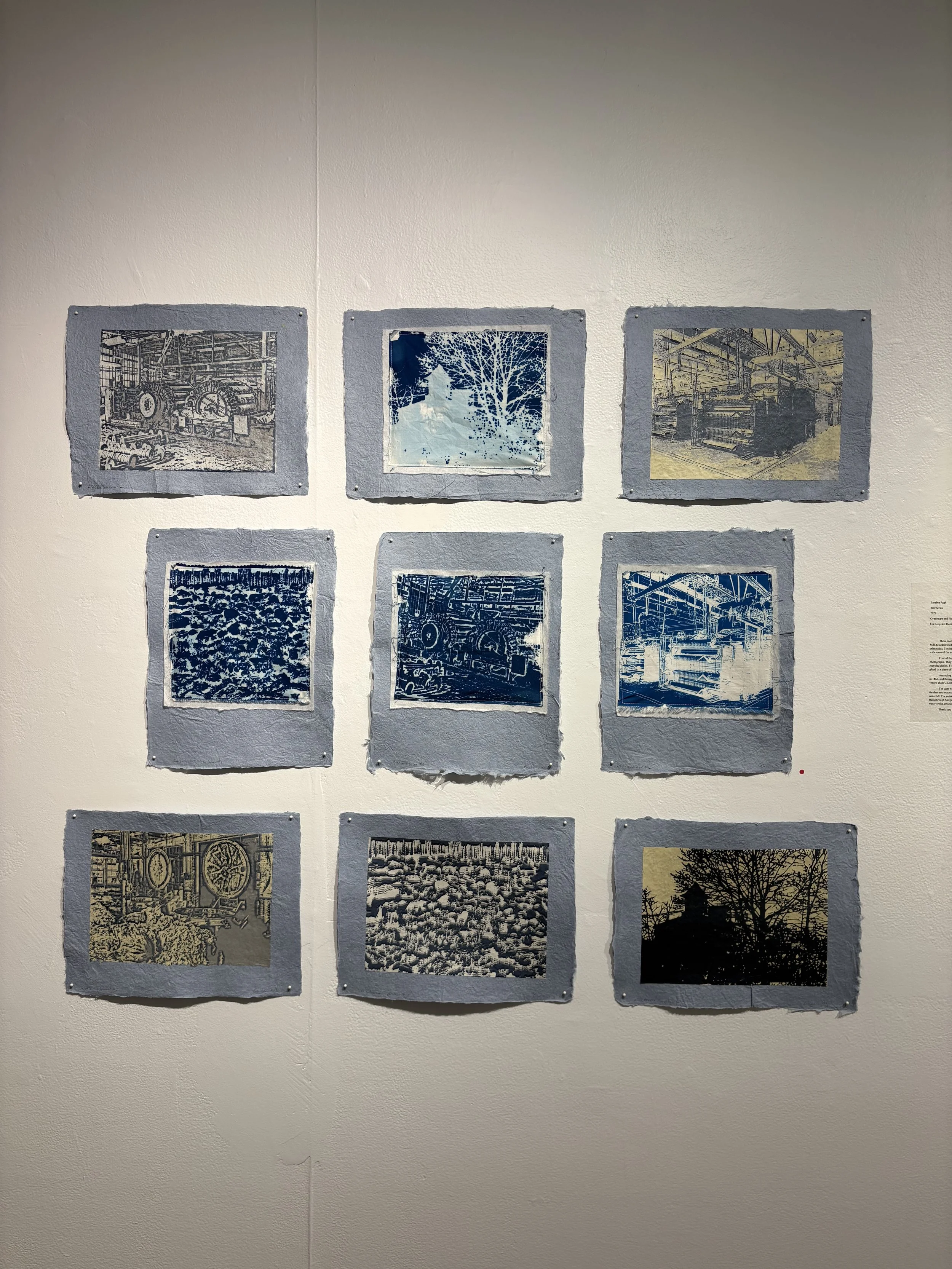
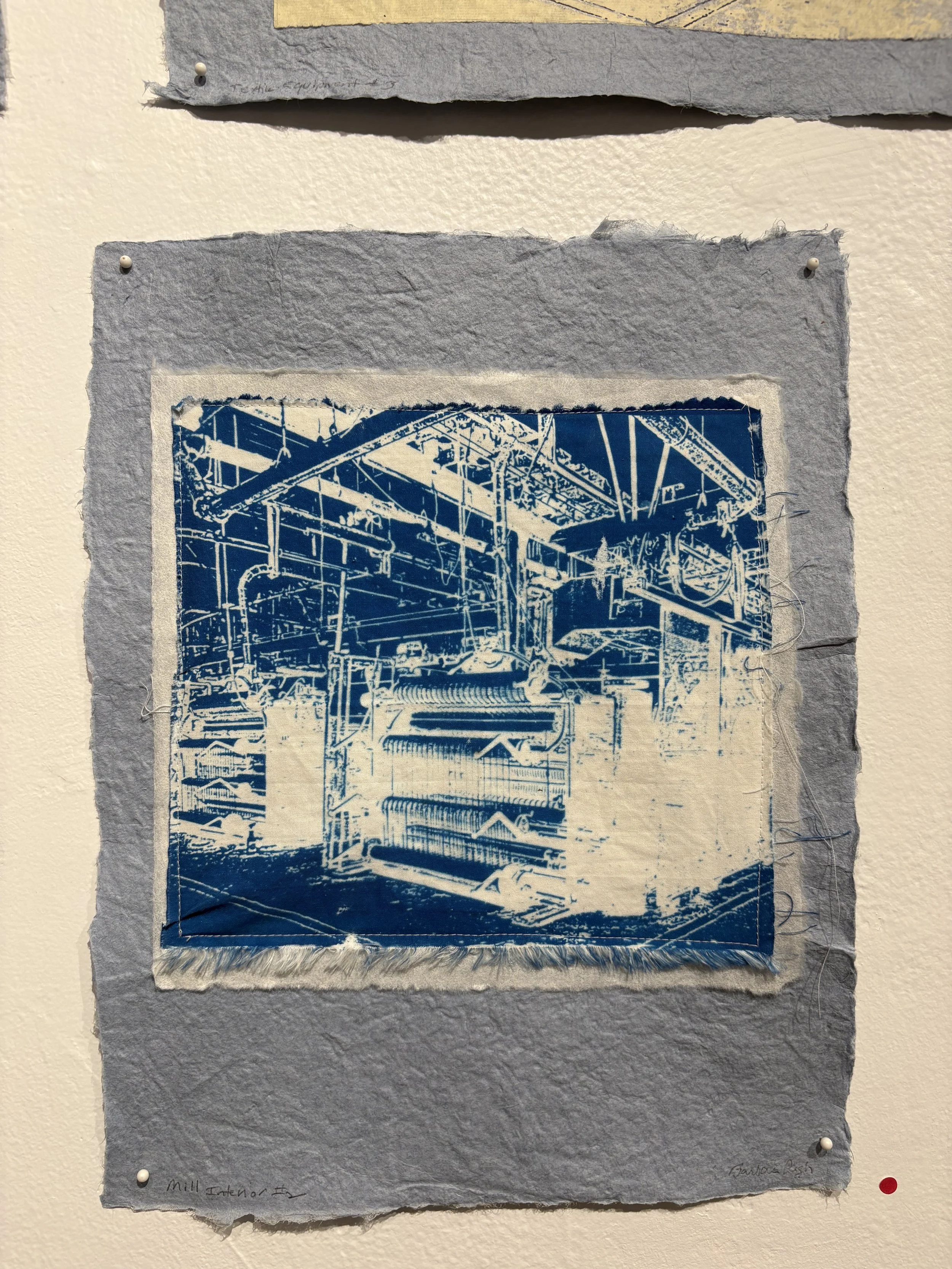
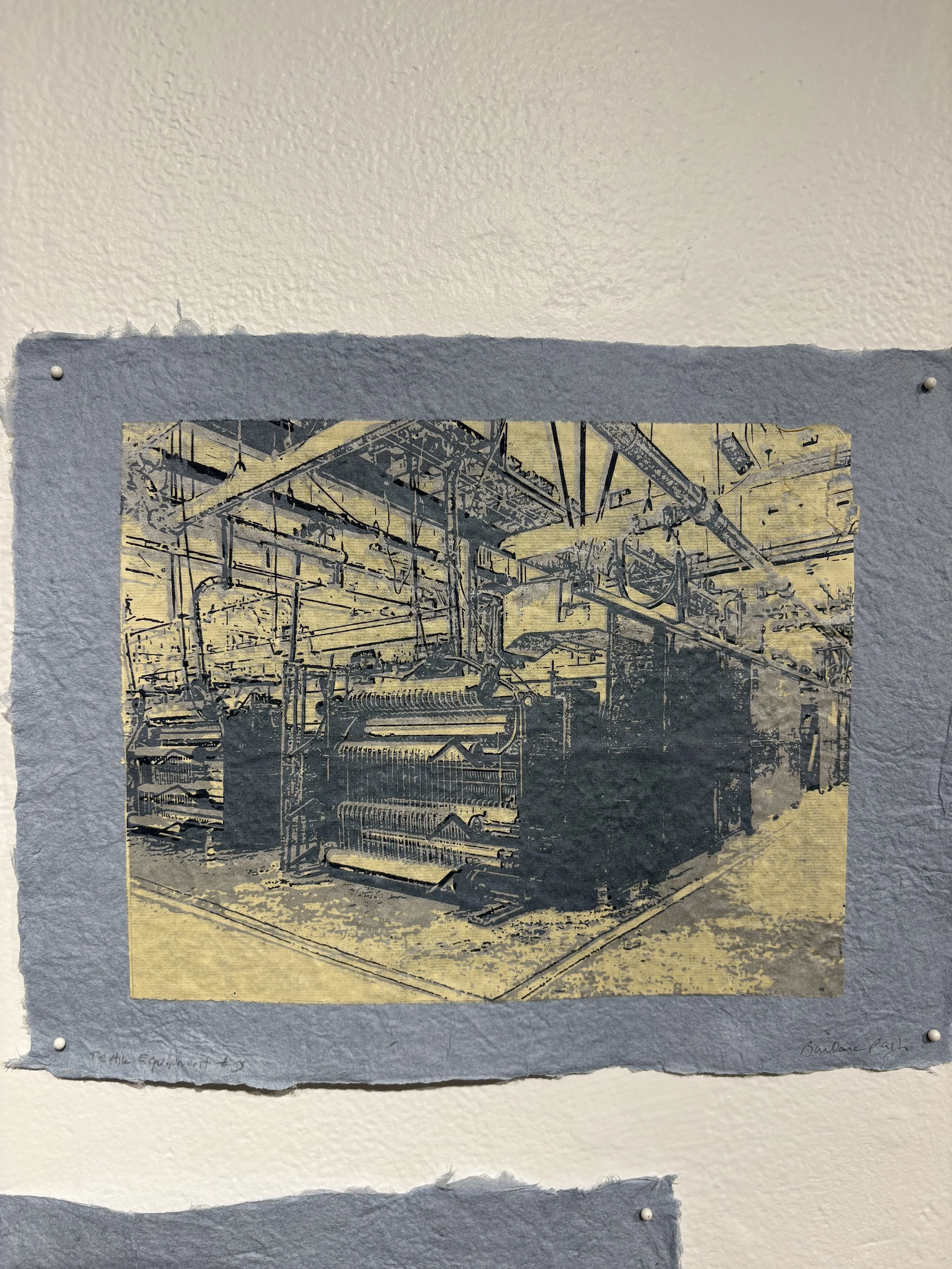
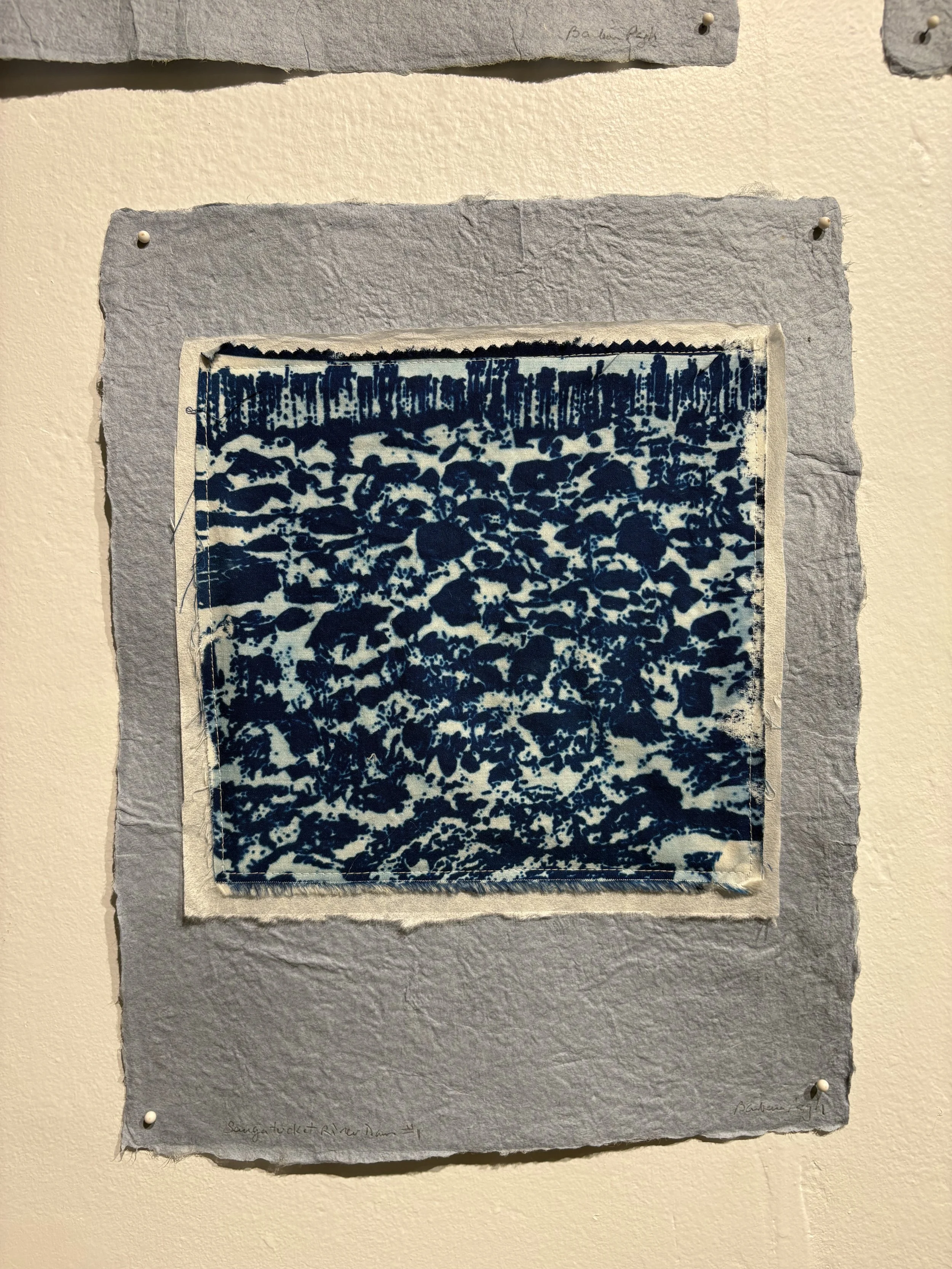
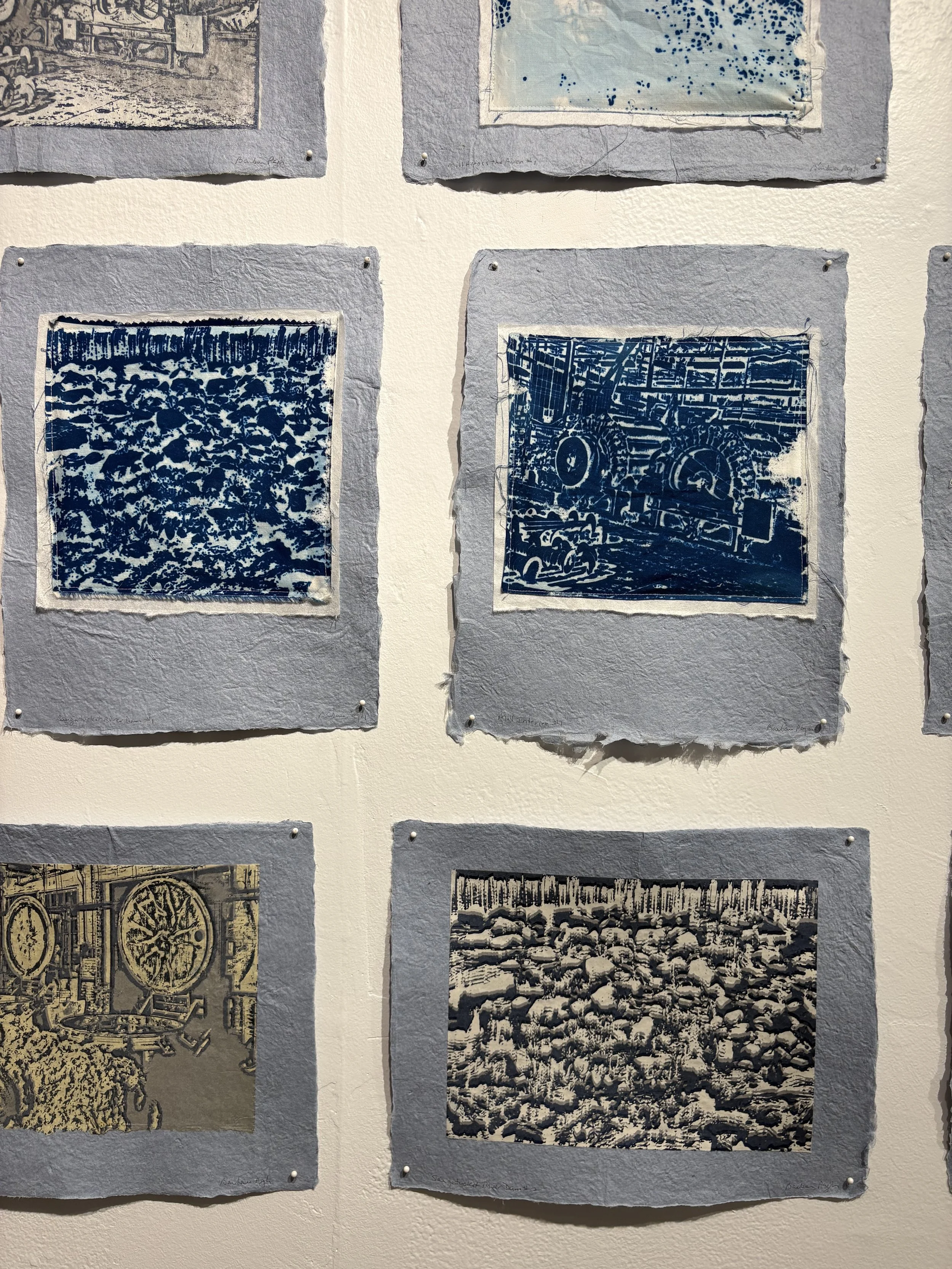
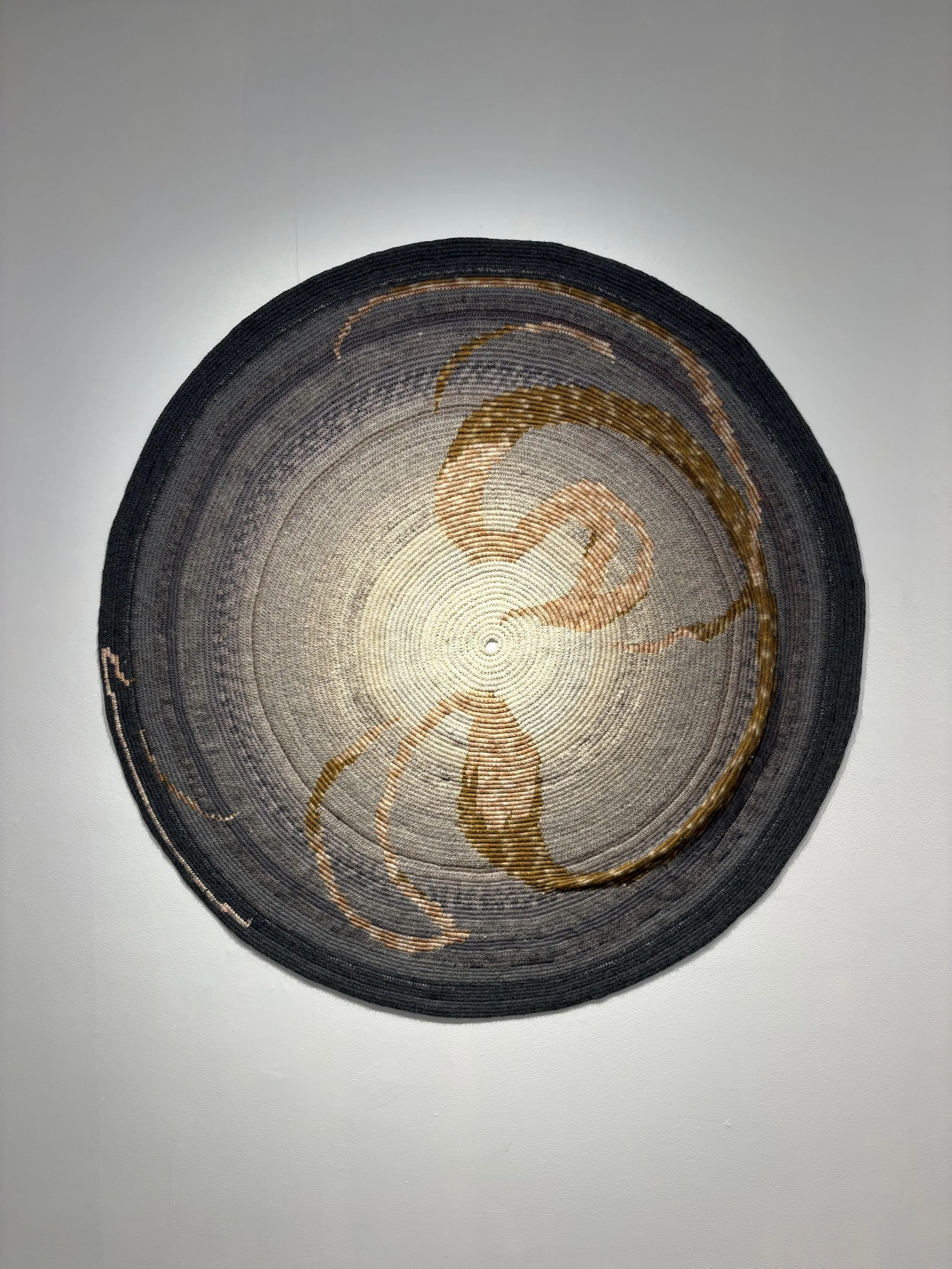
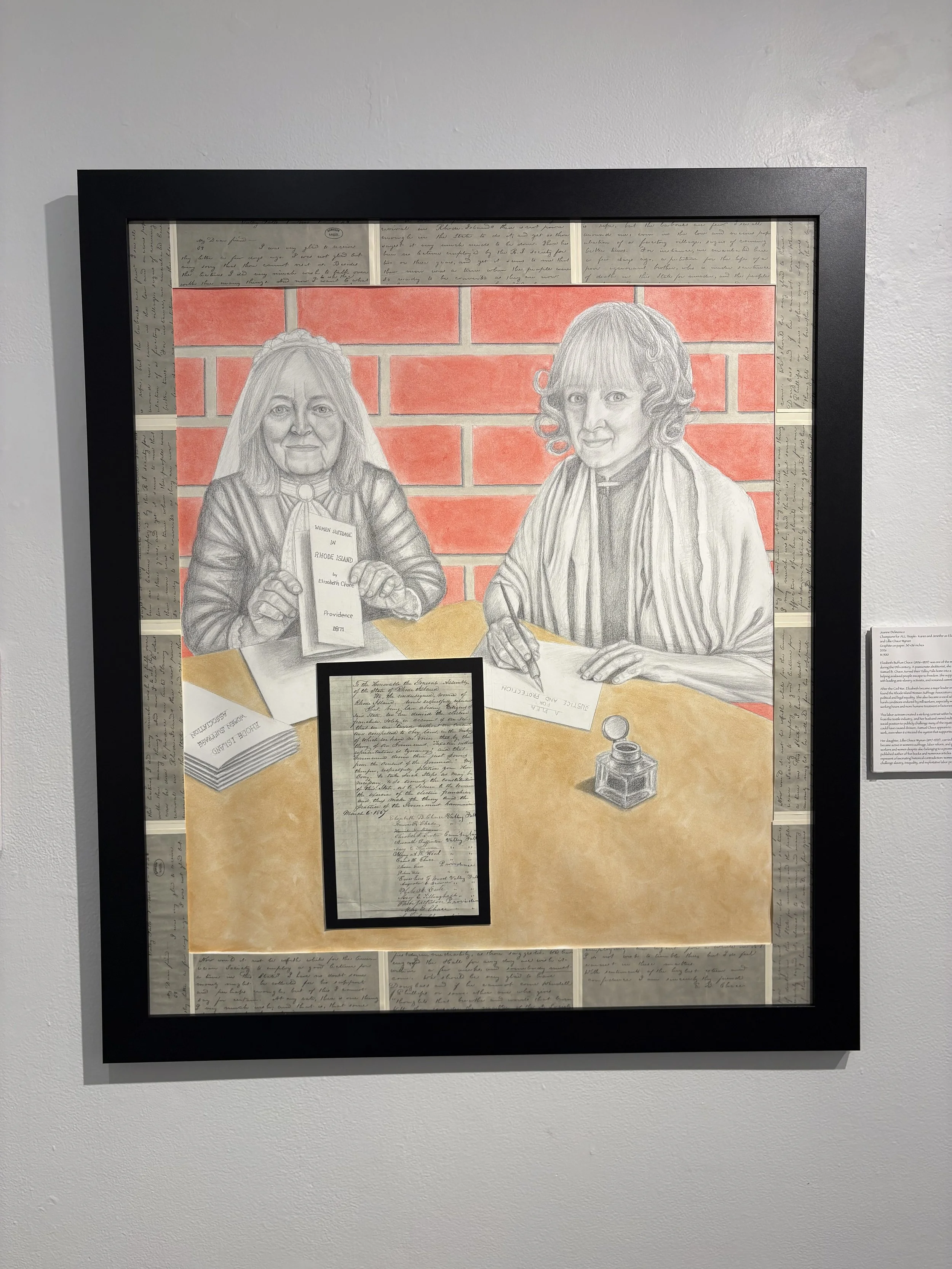
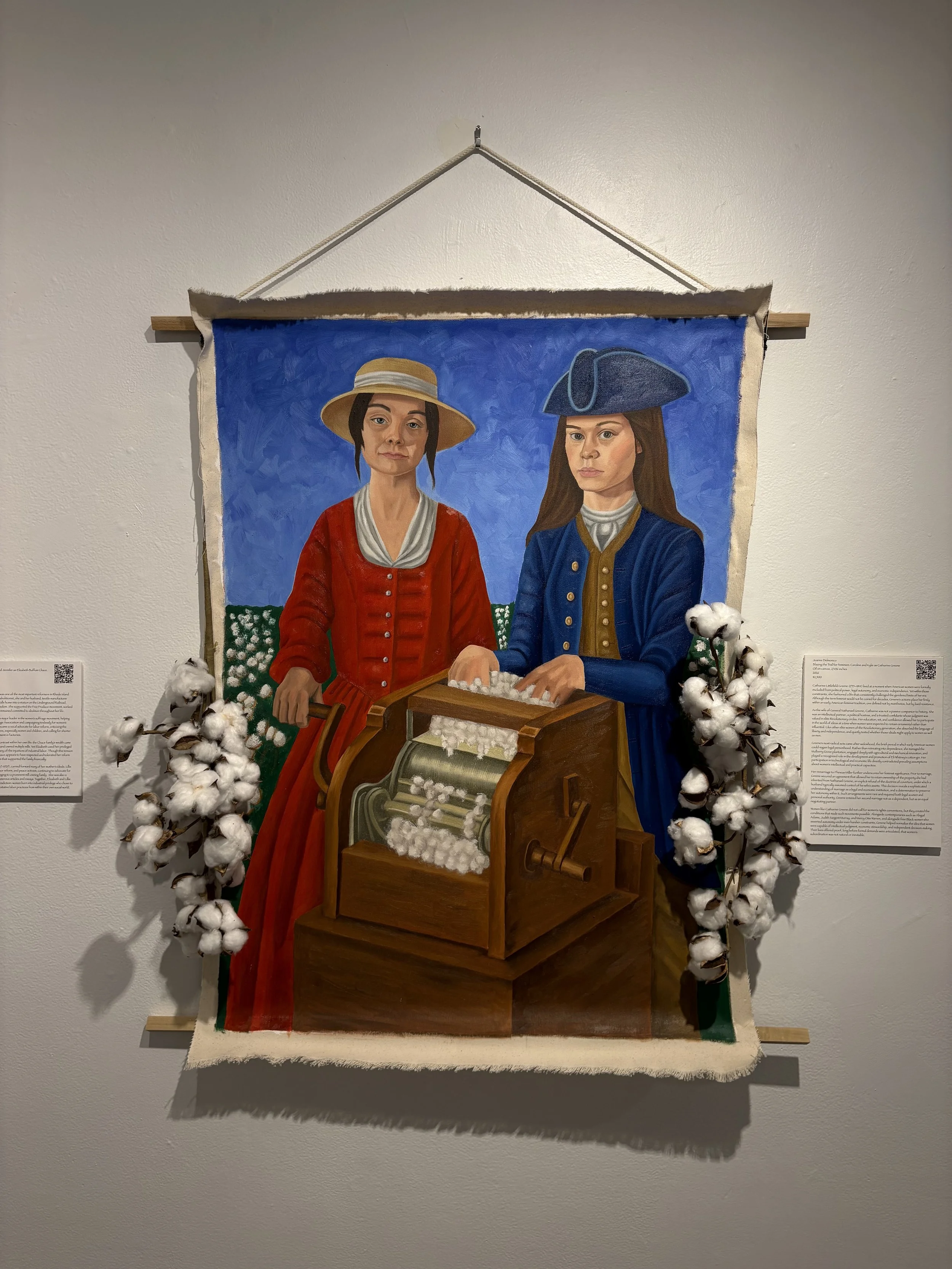
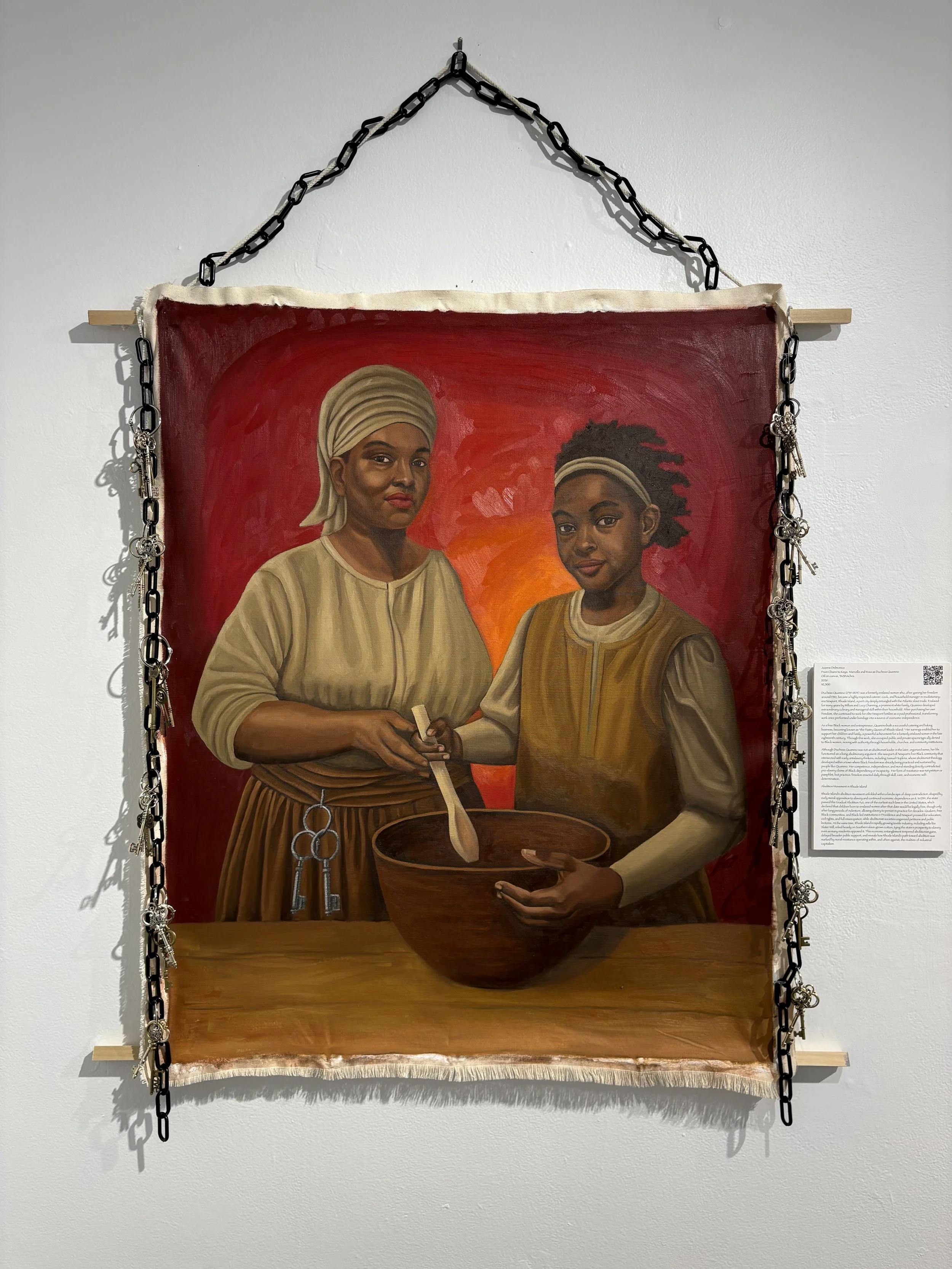
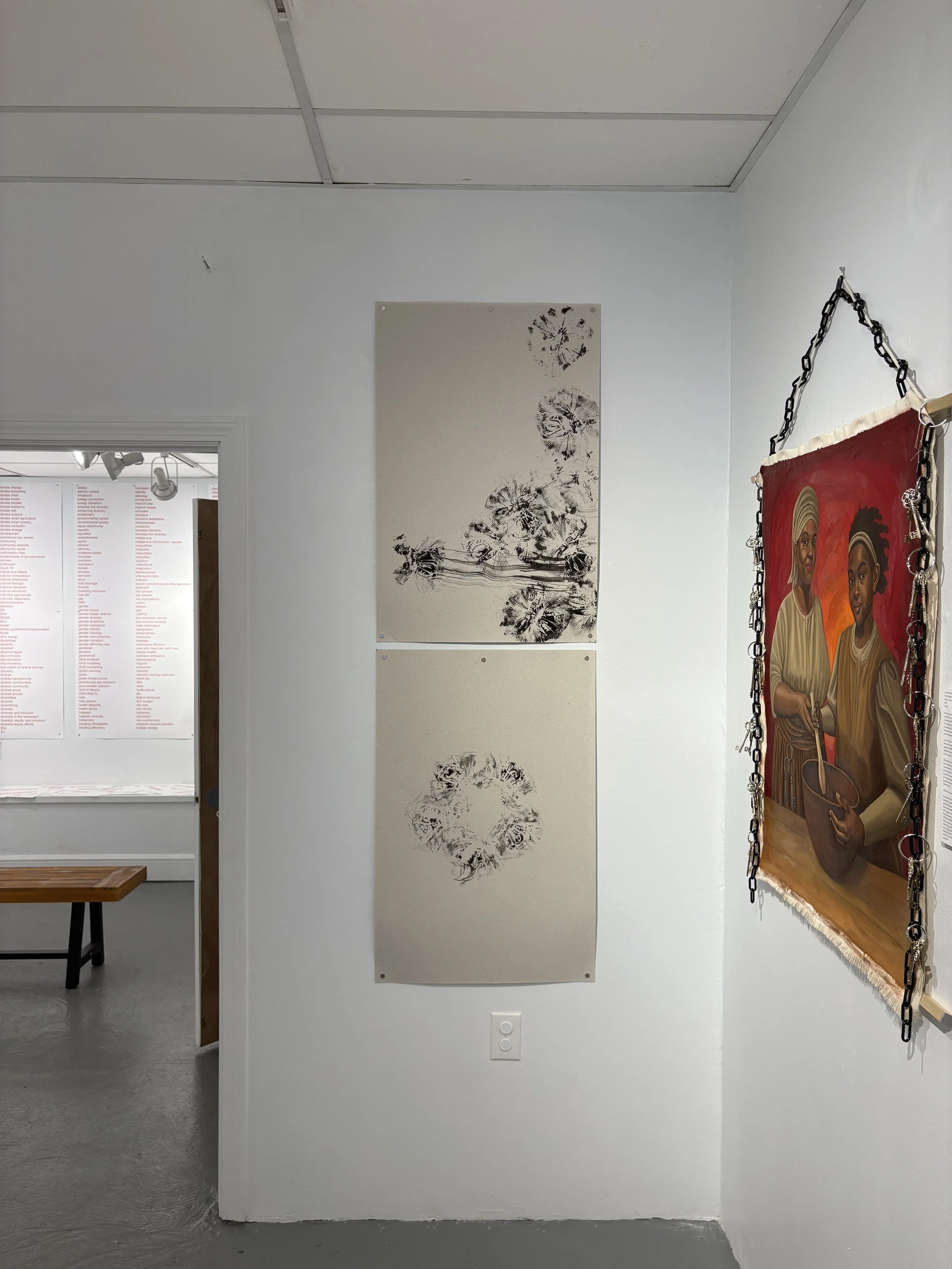
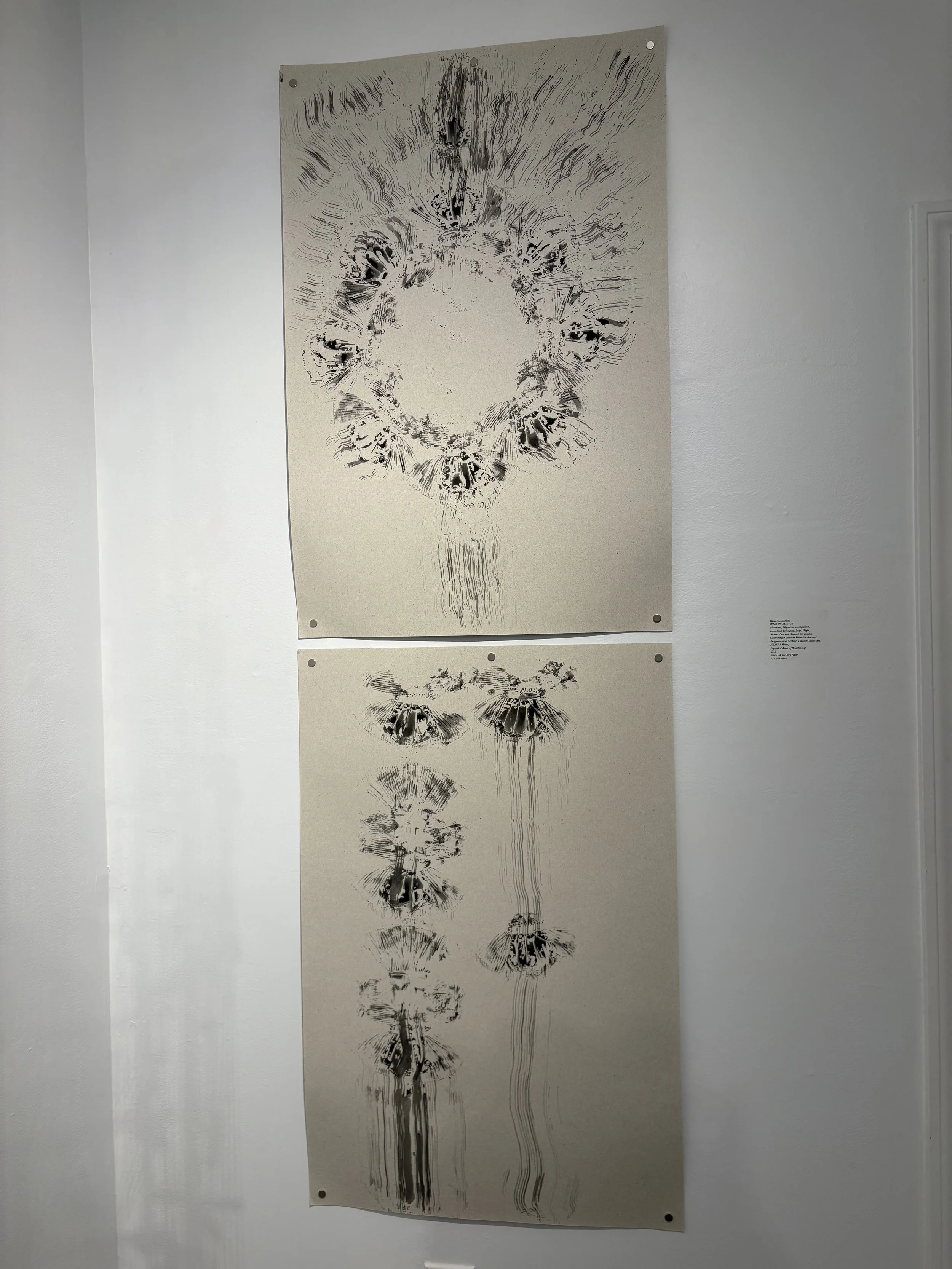
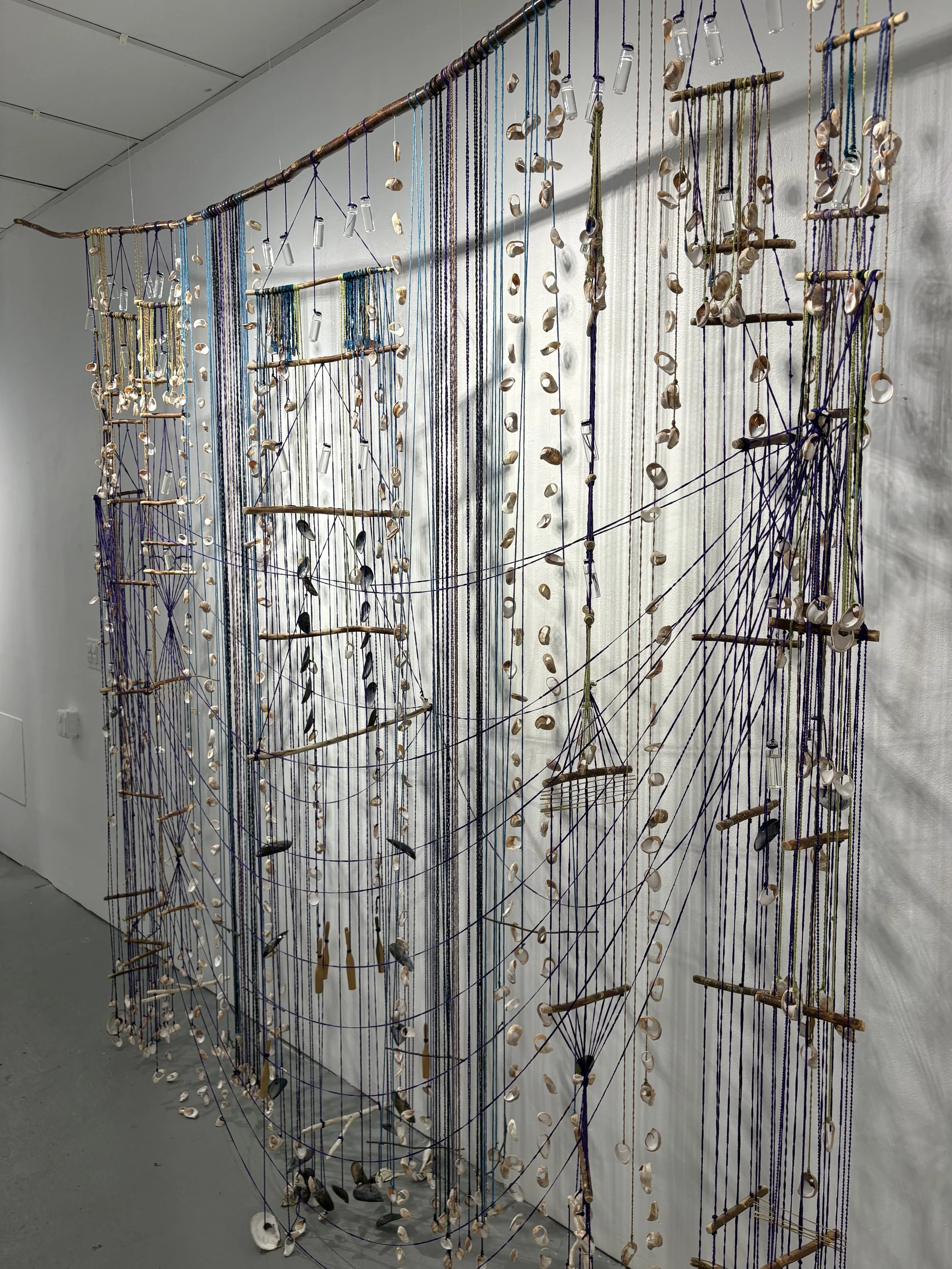
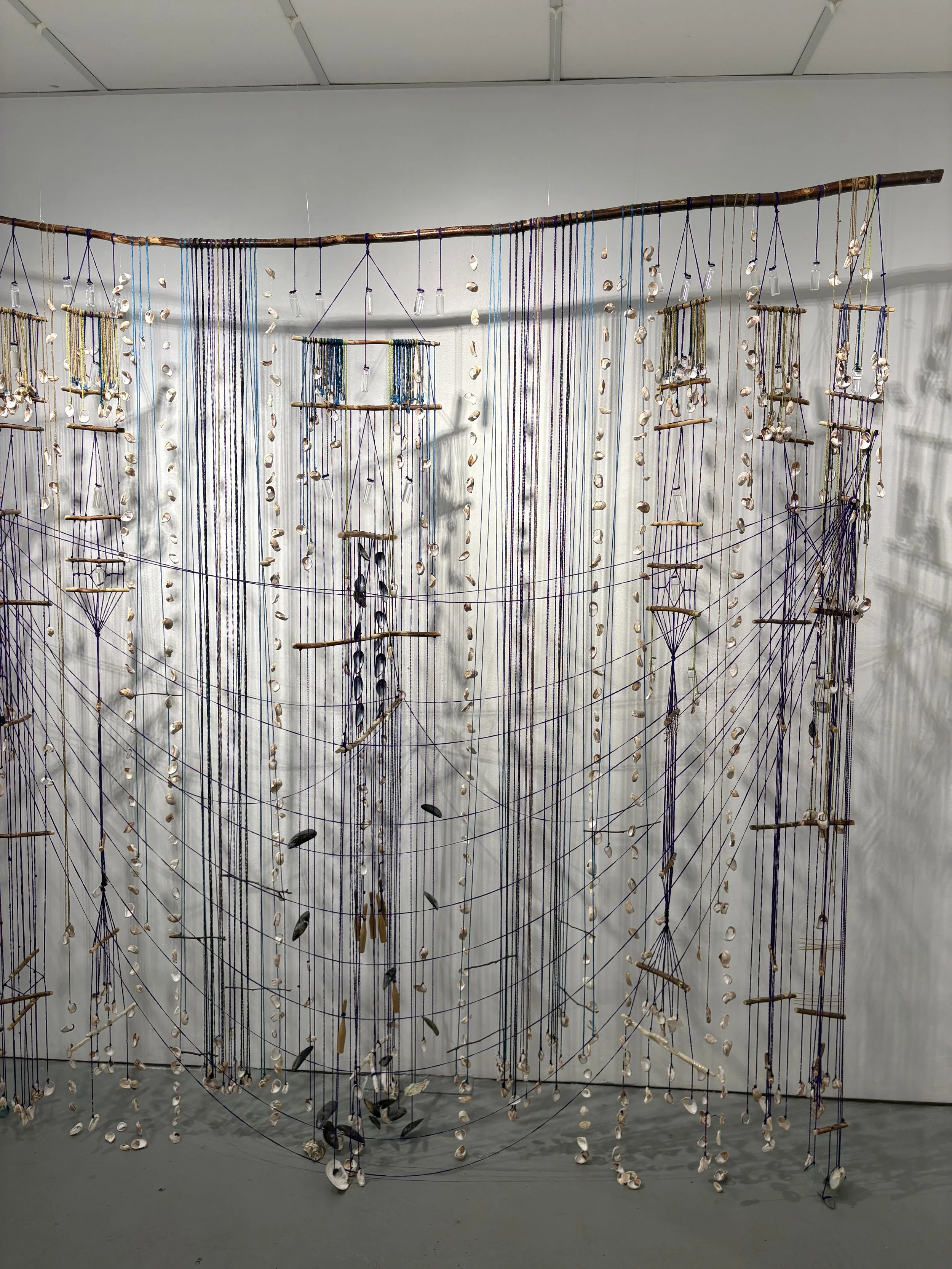
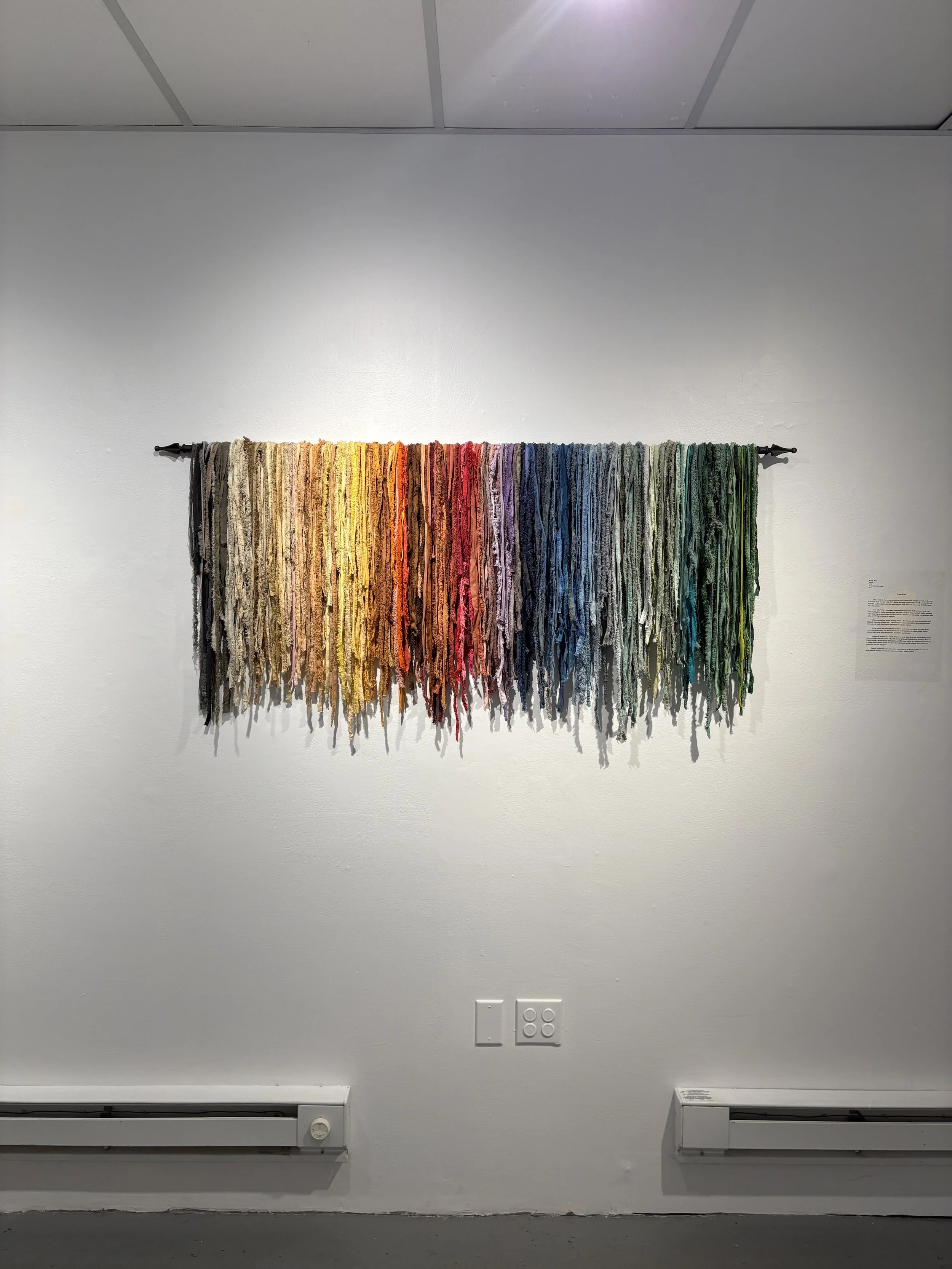
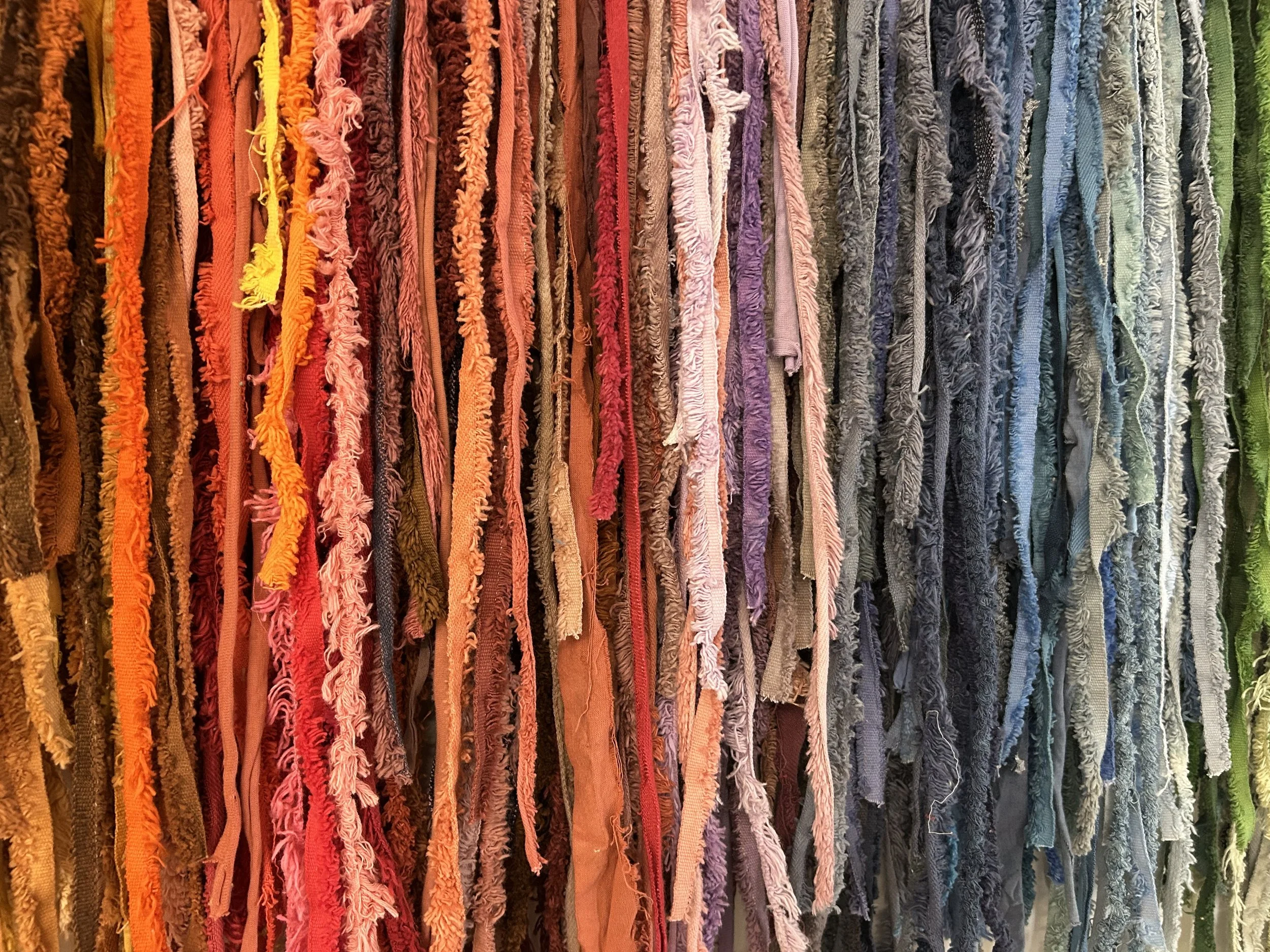
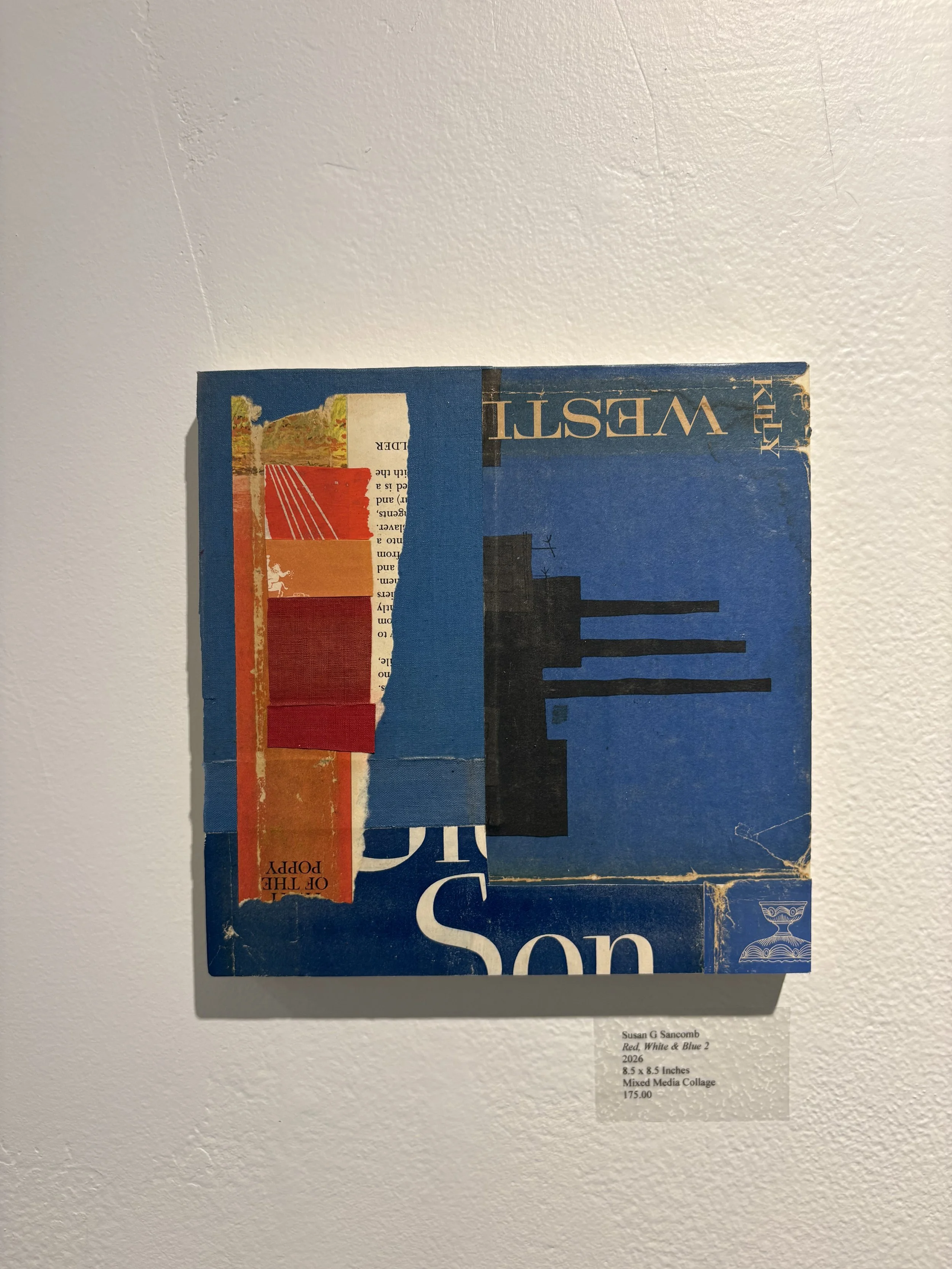
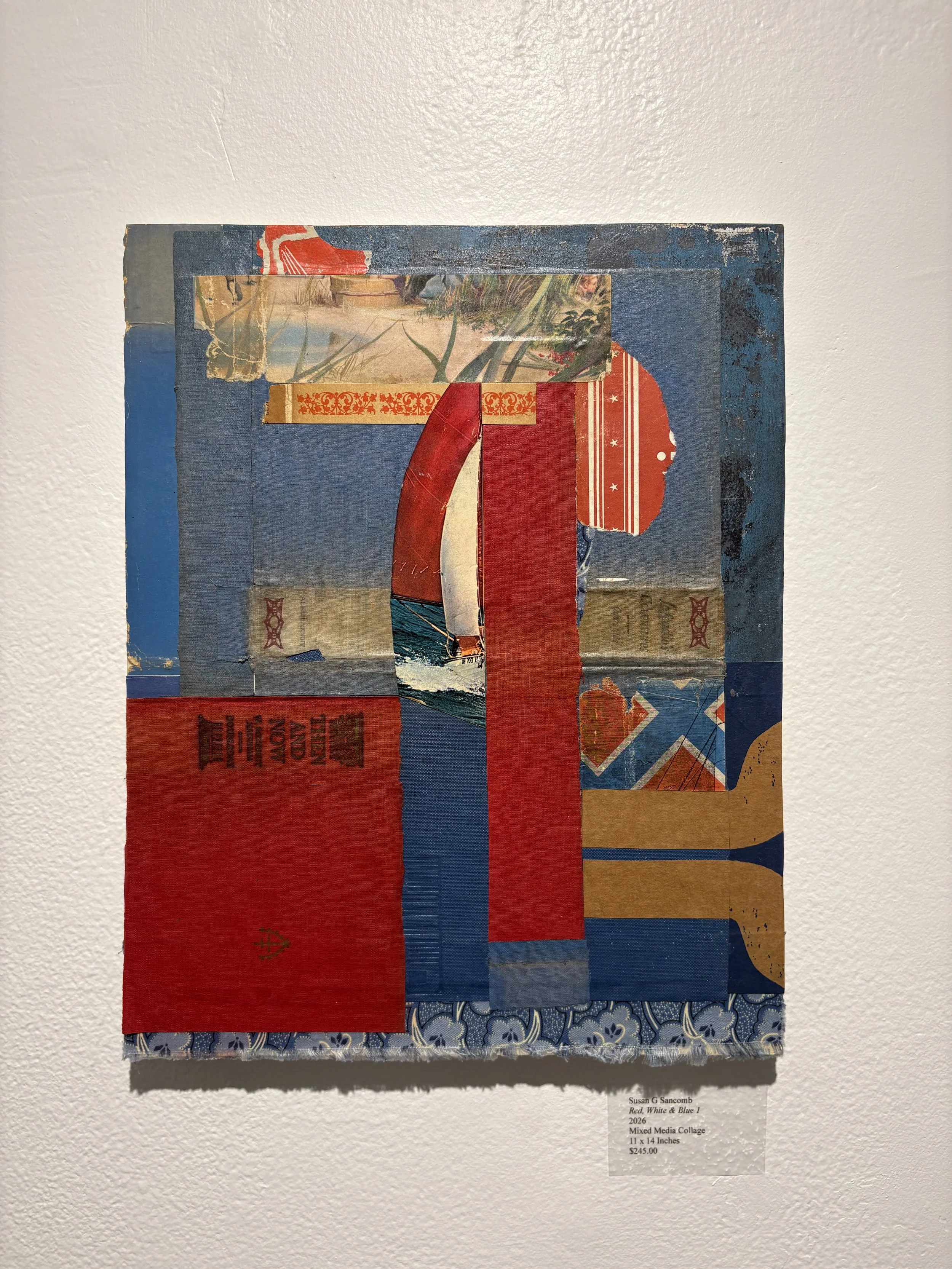
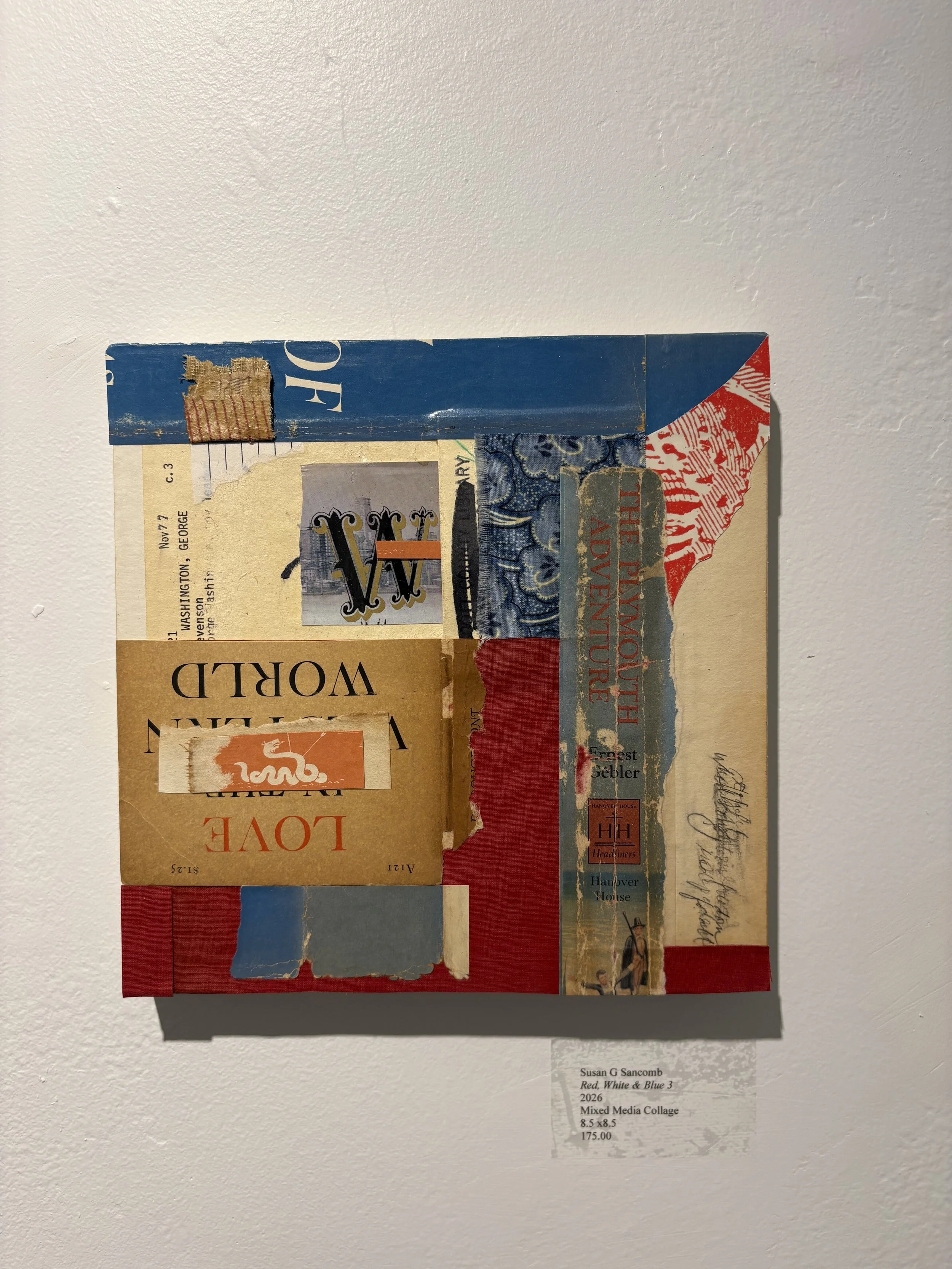
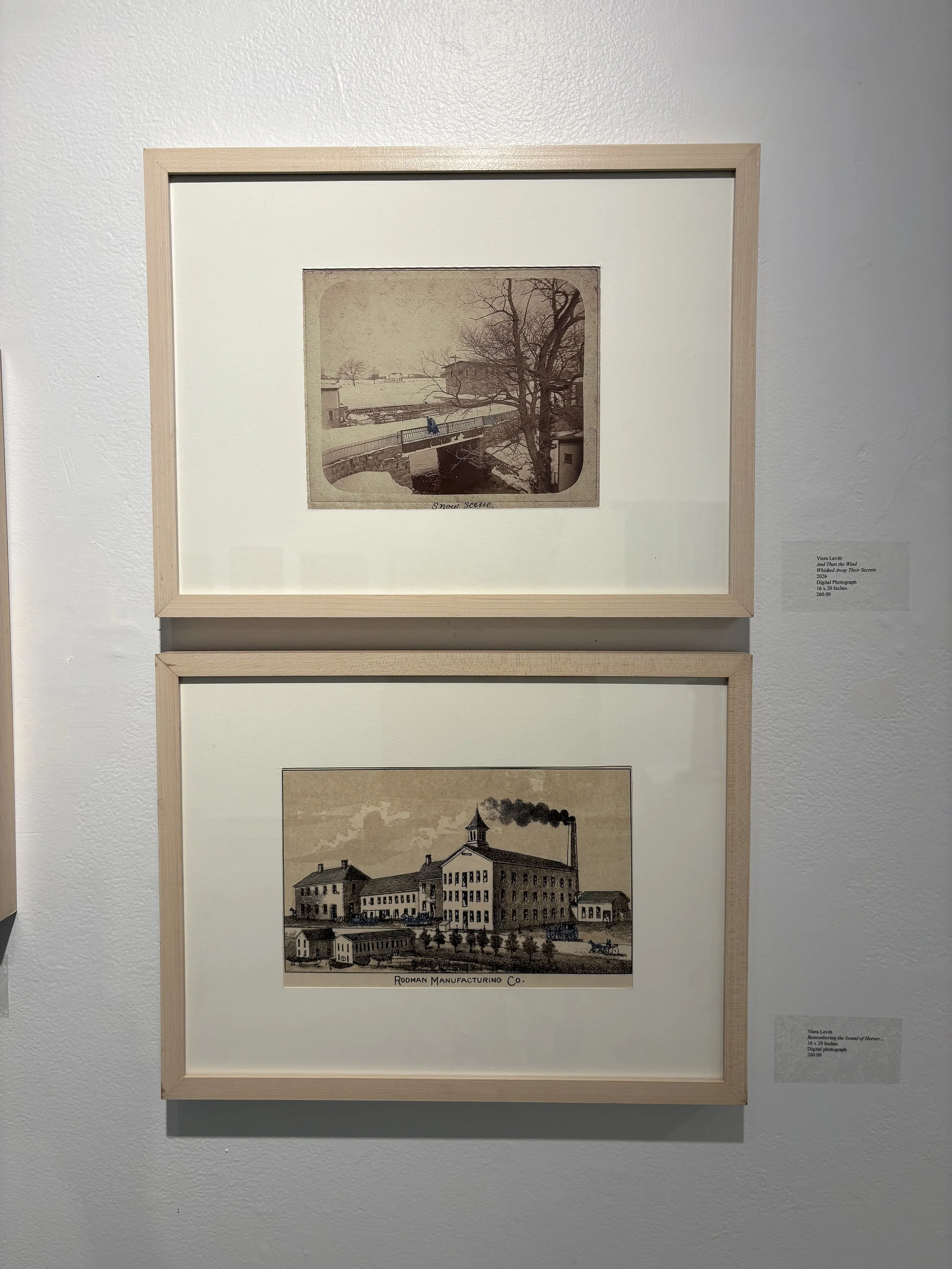
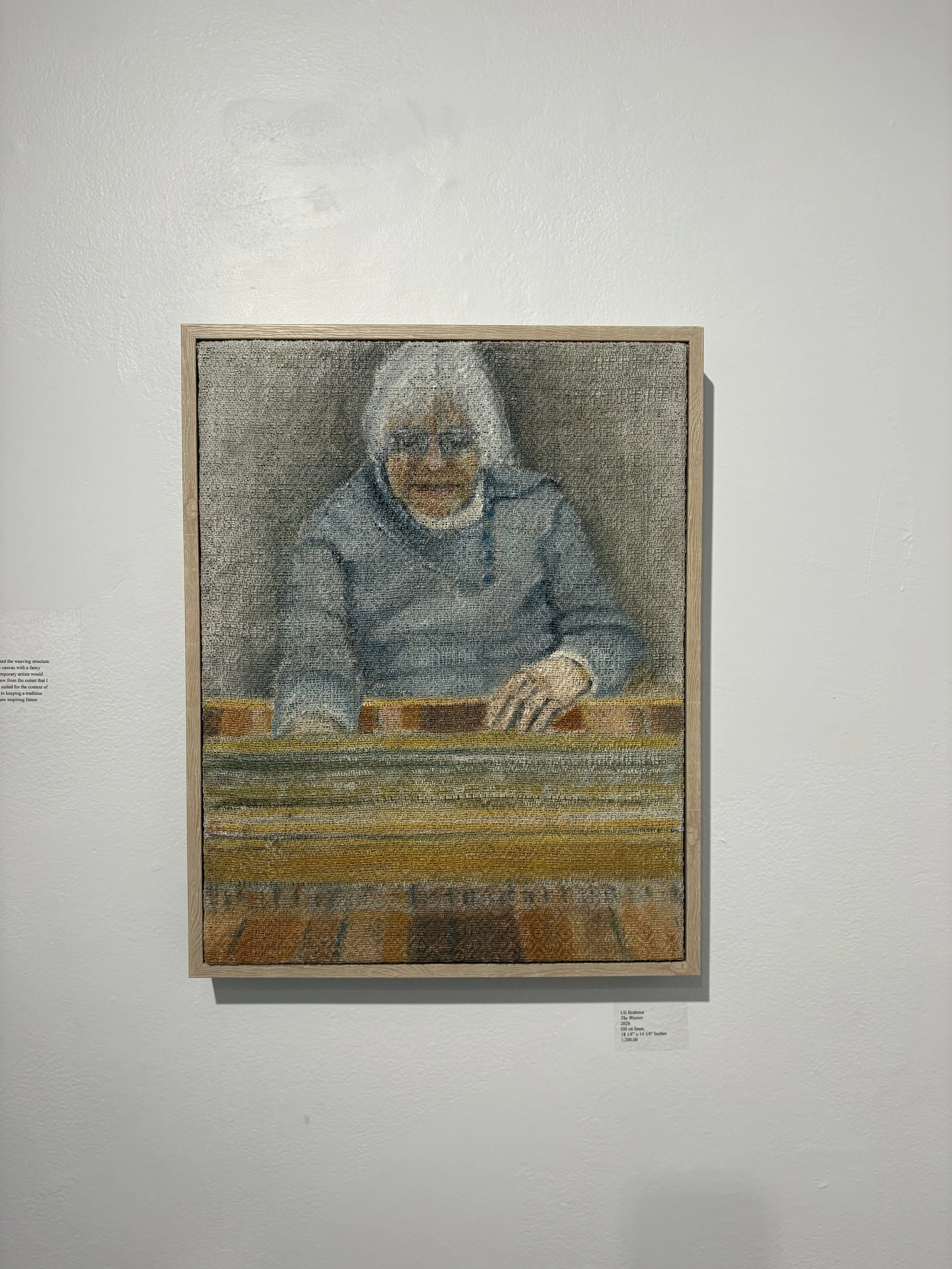
Hera Gallery artists Uli Brahmst, Sonja Czekalski, Joanne Delmonico, Karen Dolmanisth, Kathie Florsheim, Michelle Henning, Barbara Pagh, Susan Sancomb, Sarah Swift, Viera Levitt, and Wendy Wahl will exhibit works that speak to the core themes of hope, freedom, equality, and independence, as well as the dynamic aspects of revolution, ranging from historical perspectives to current manifestations.
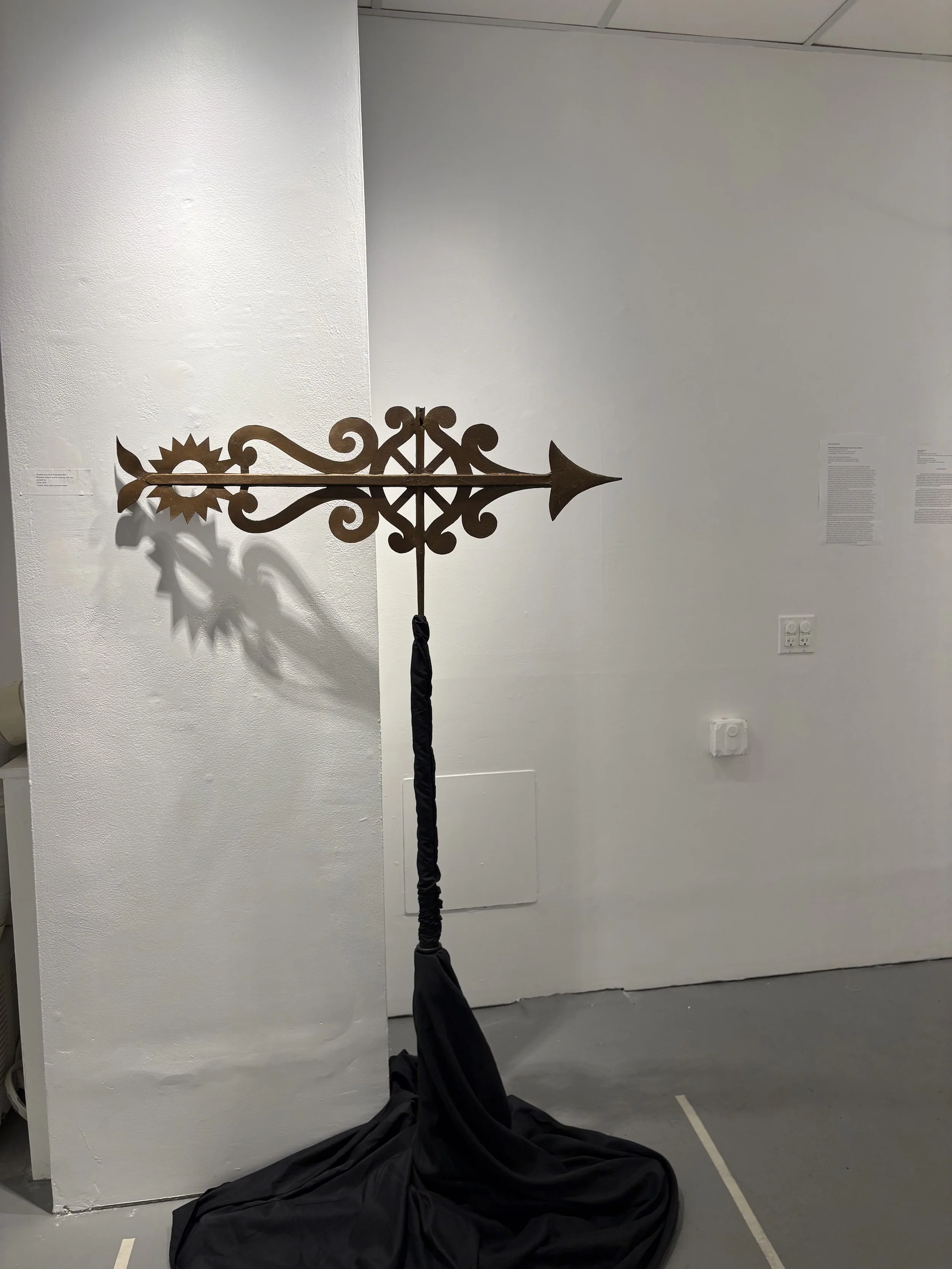
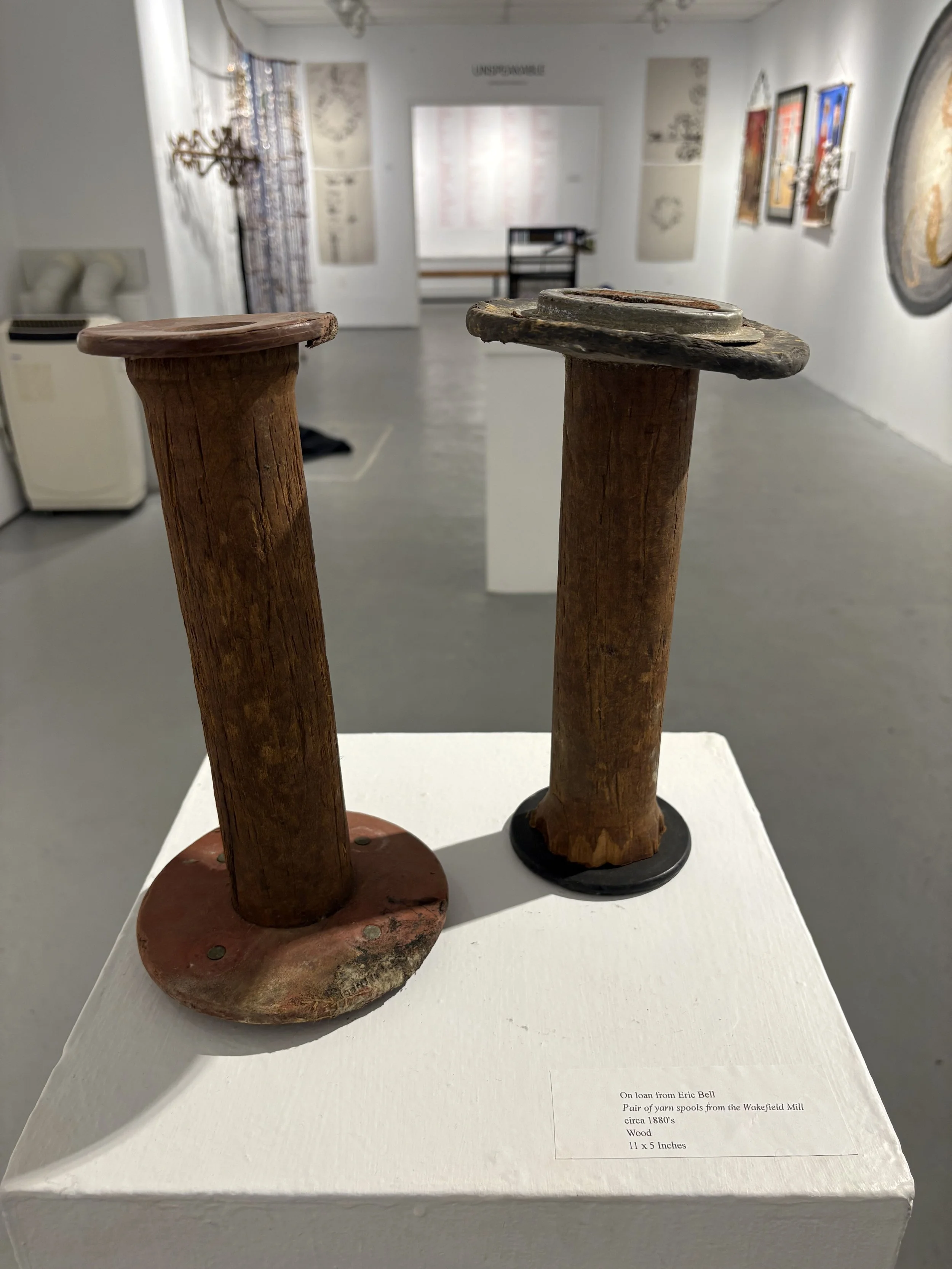
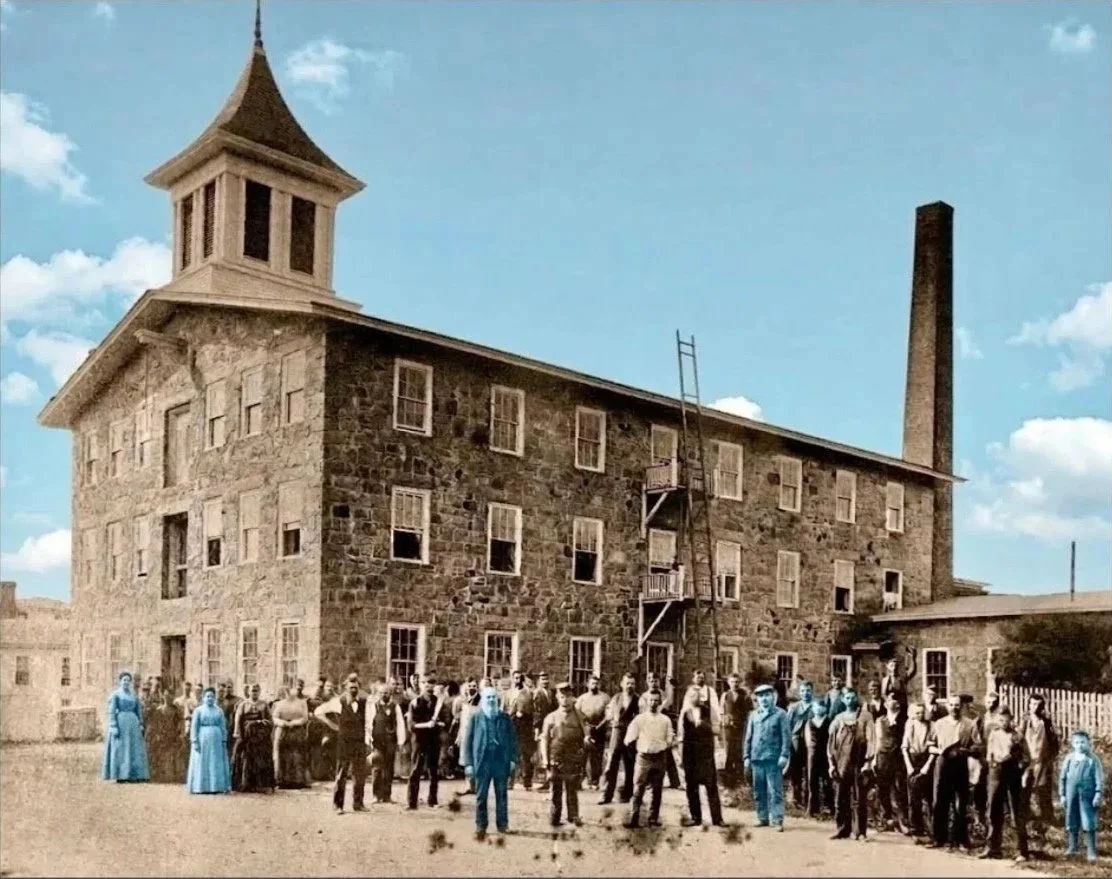
Historical objects, photographs, and ephemera will be loaned and on view from the Wakefield Mill owner, Eric Bell, and the South County History Center in Kingston.
Exhibition Dates: June 27 - August 1
Presentation and Performances:
June 27 - August 1
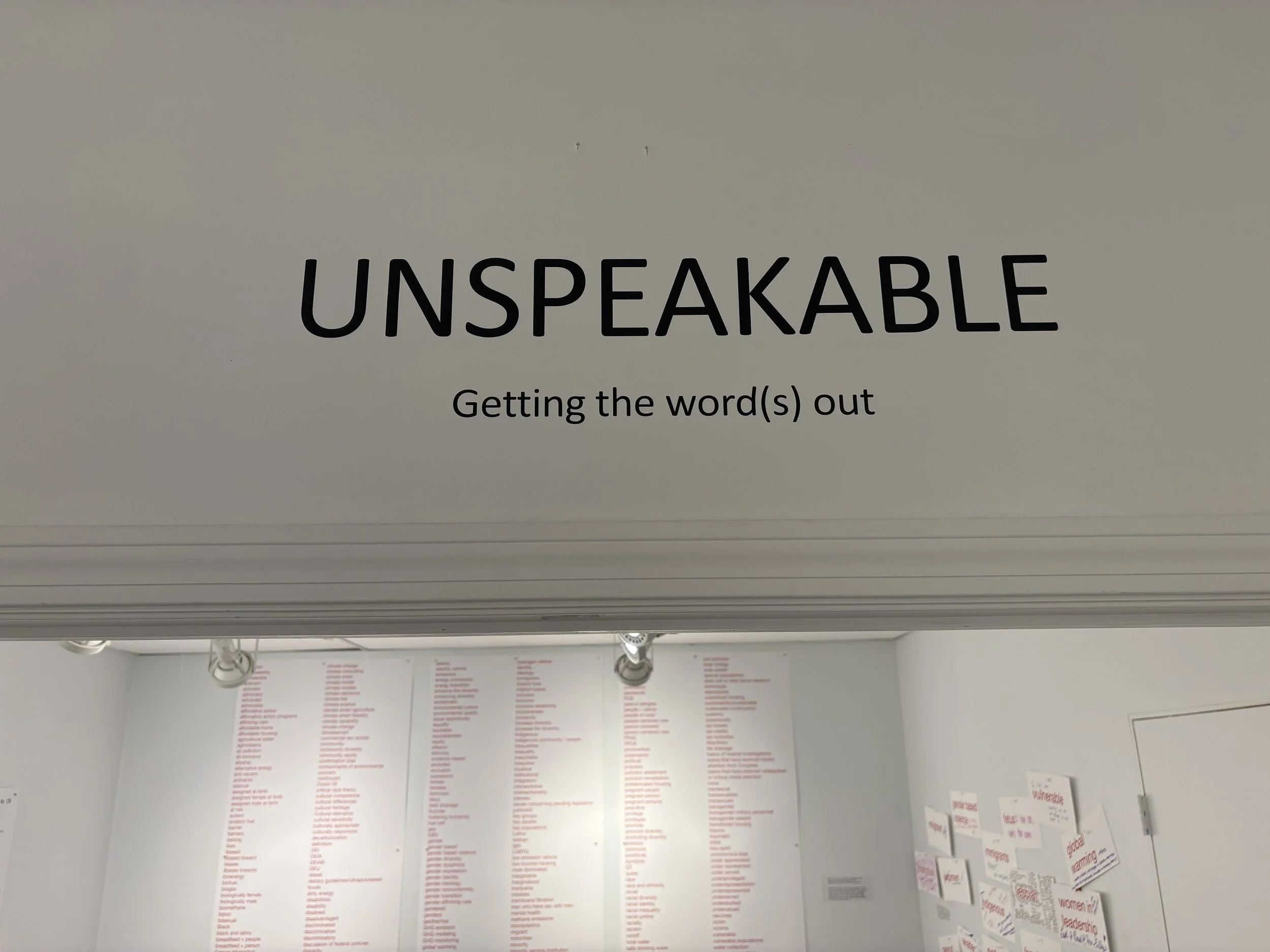
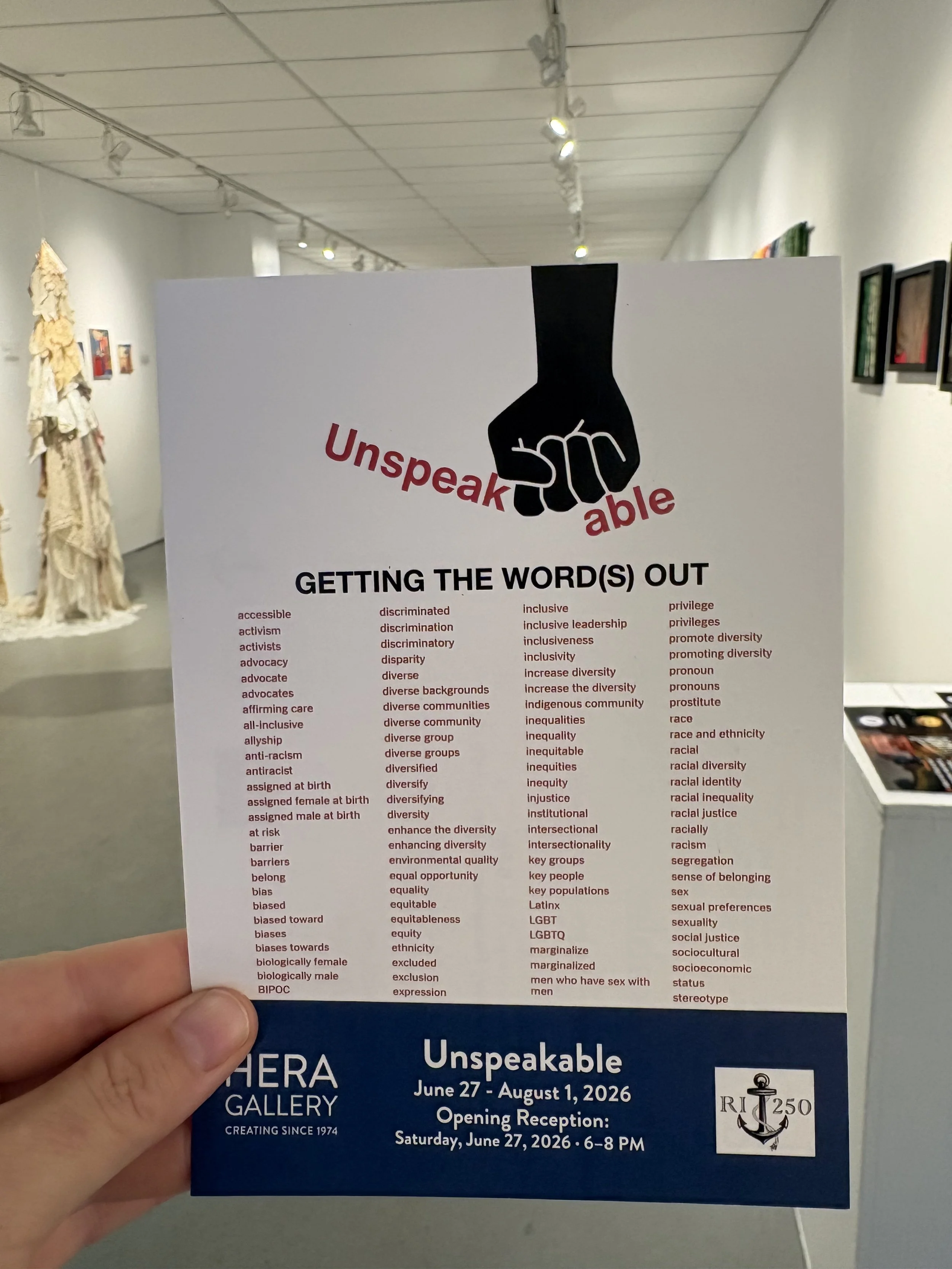
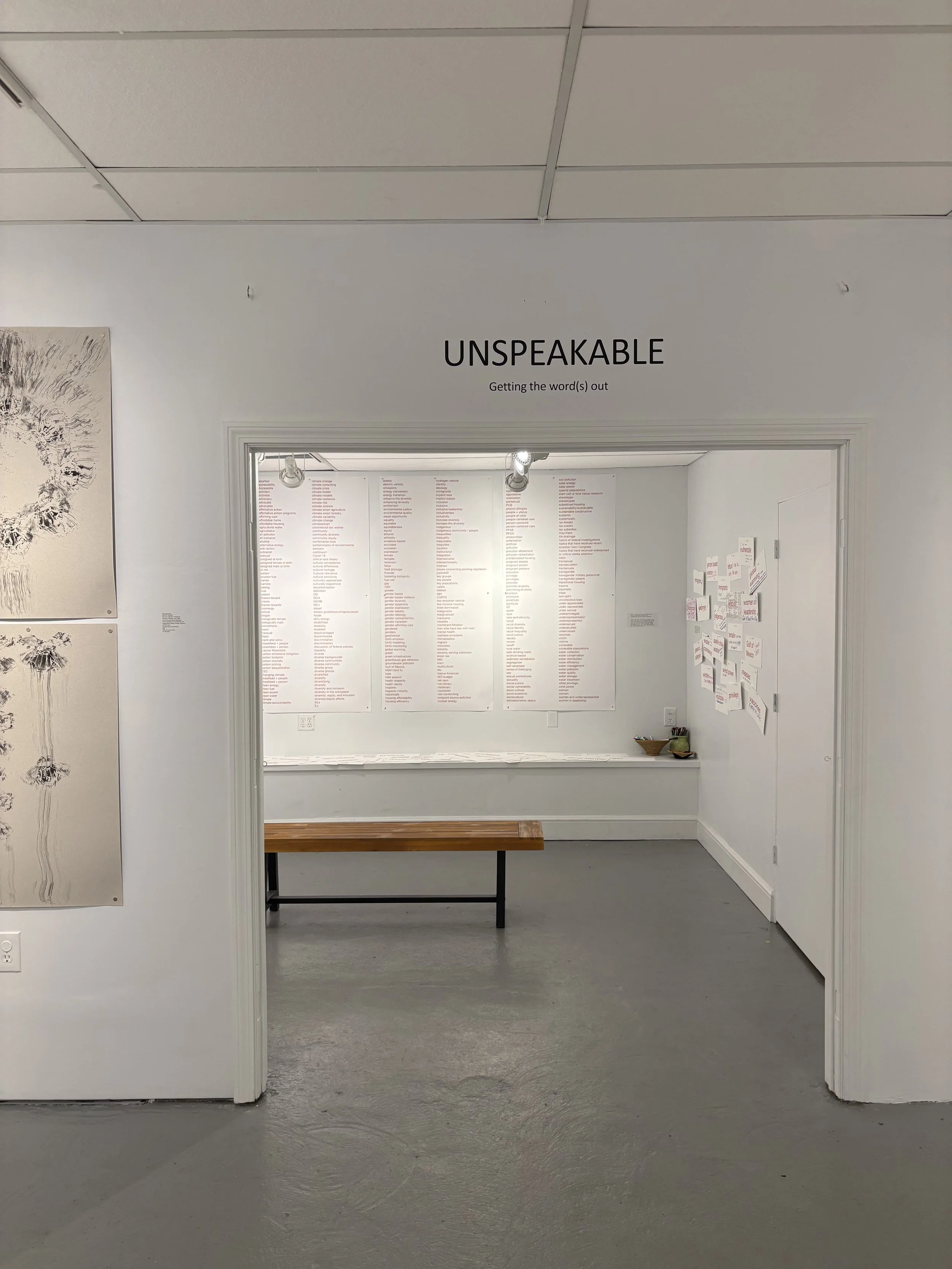
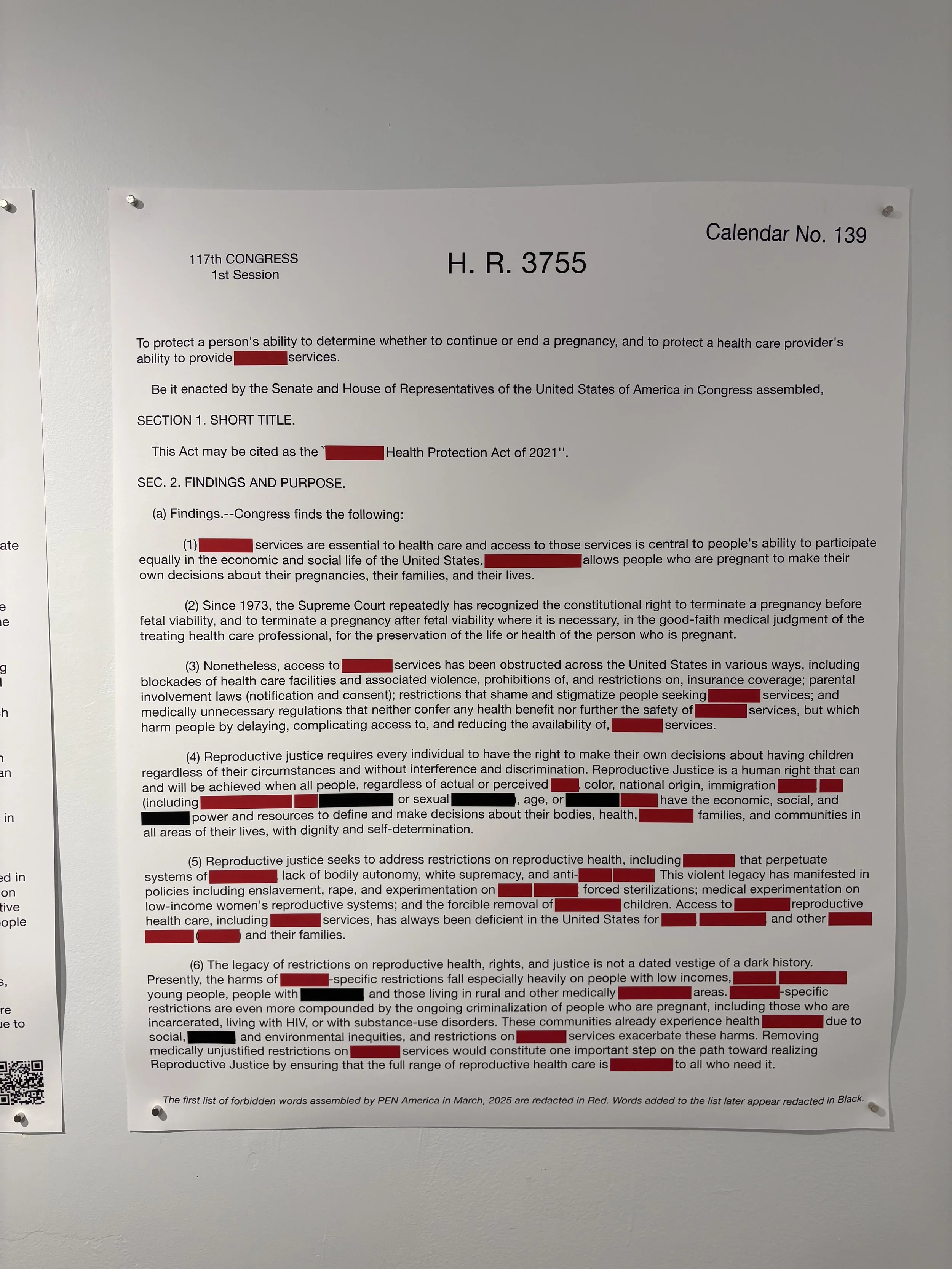
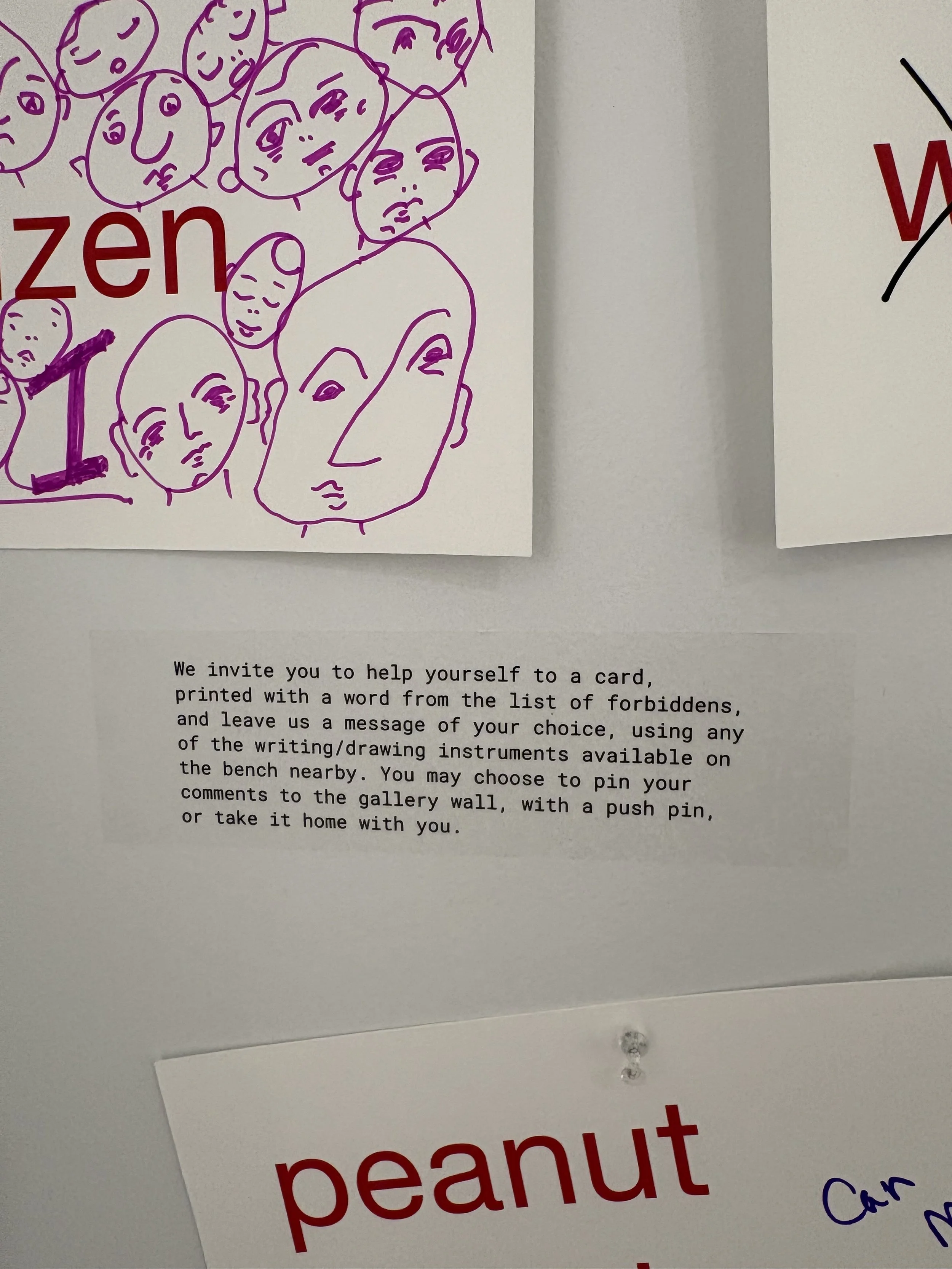
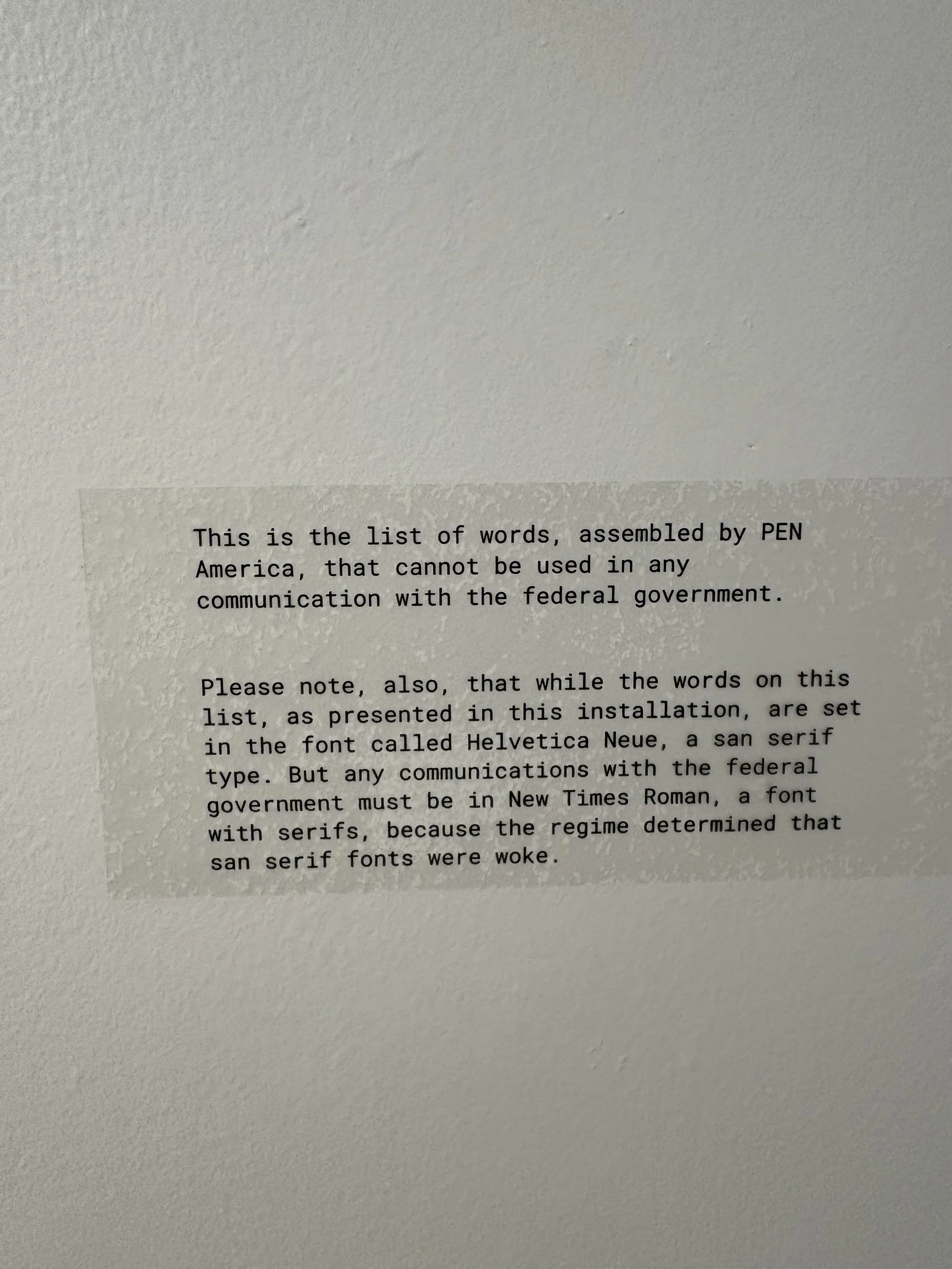
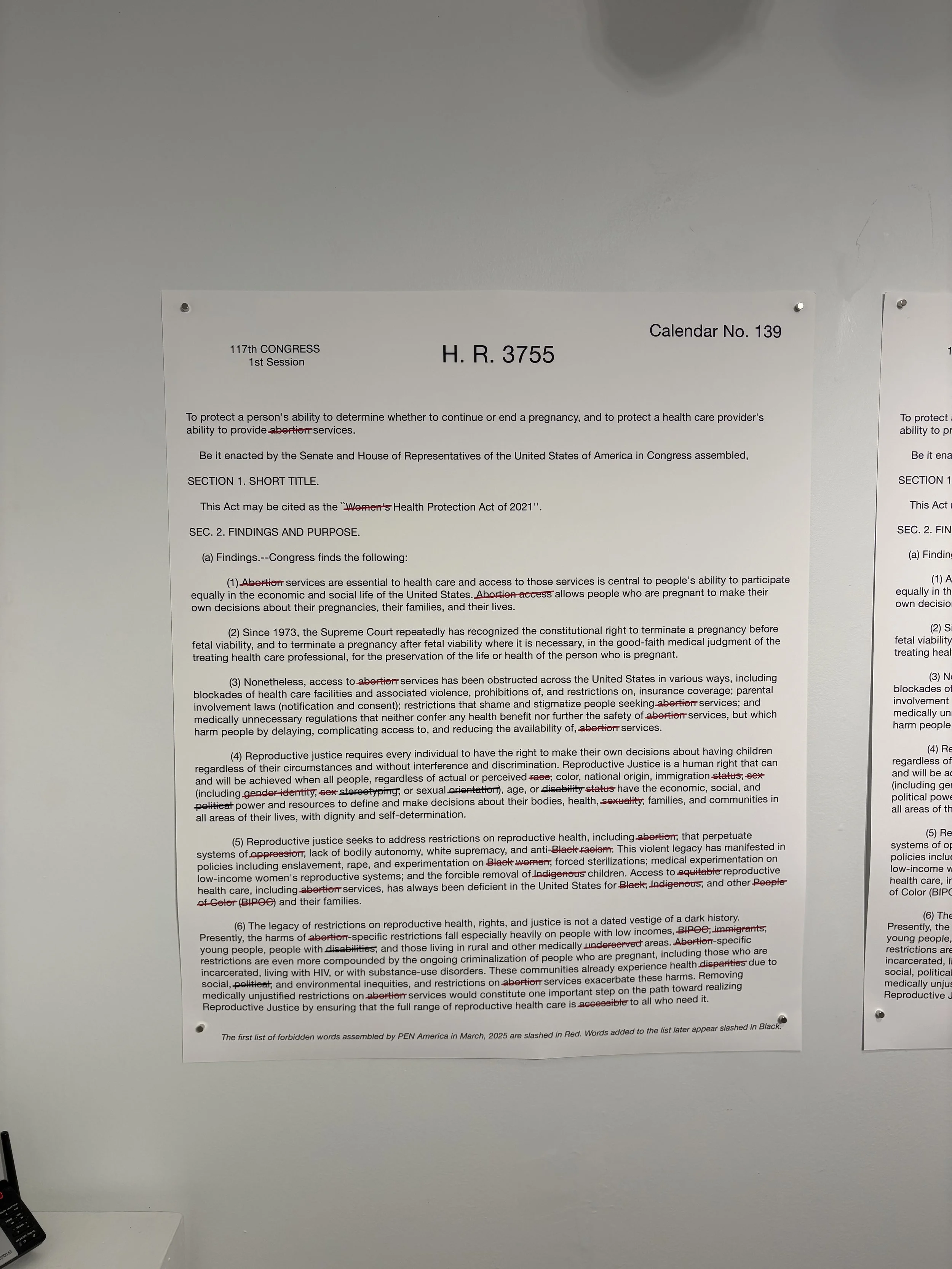
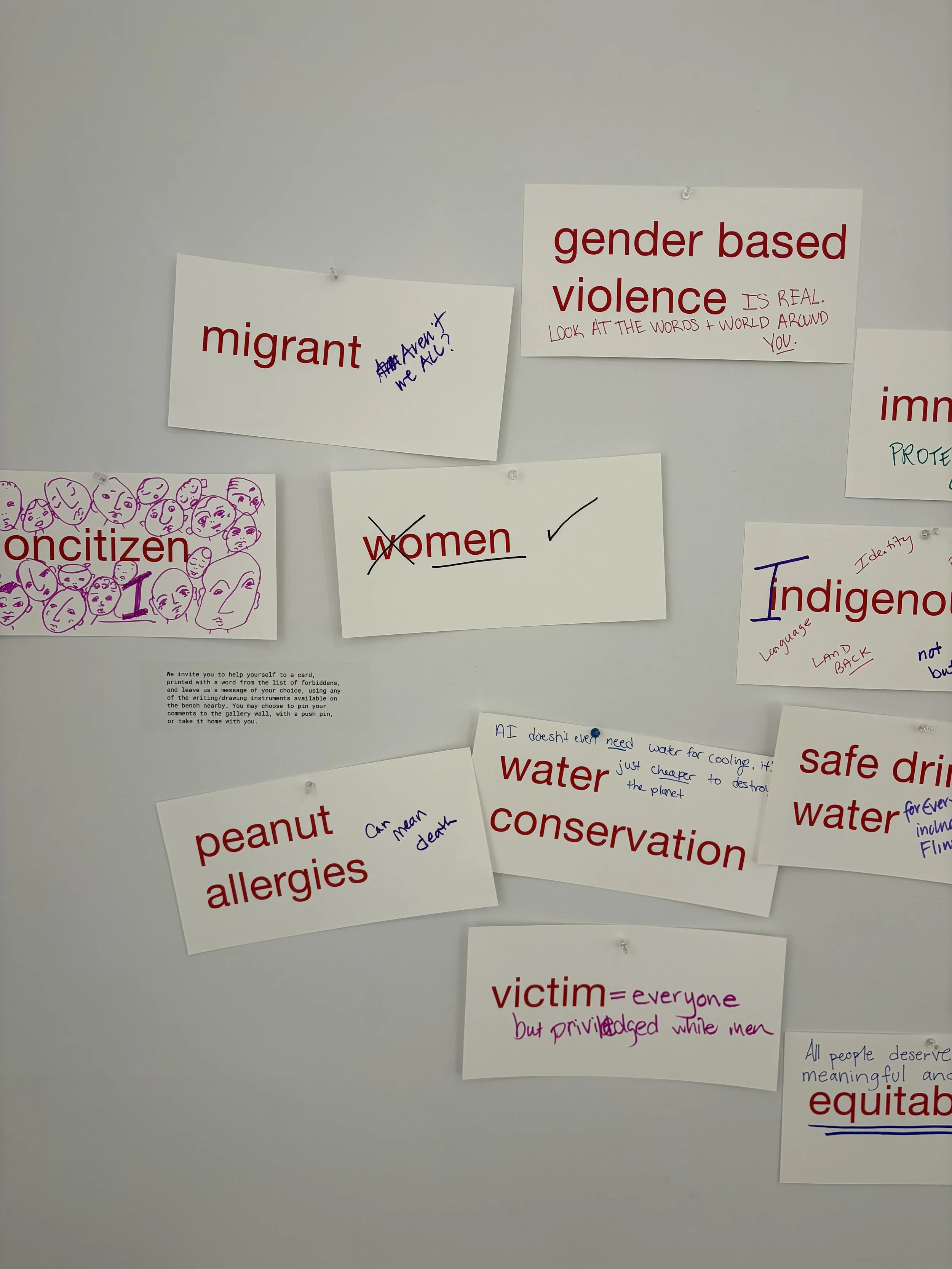
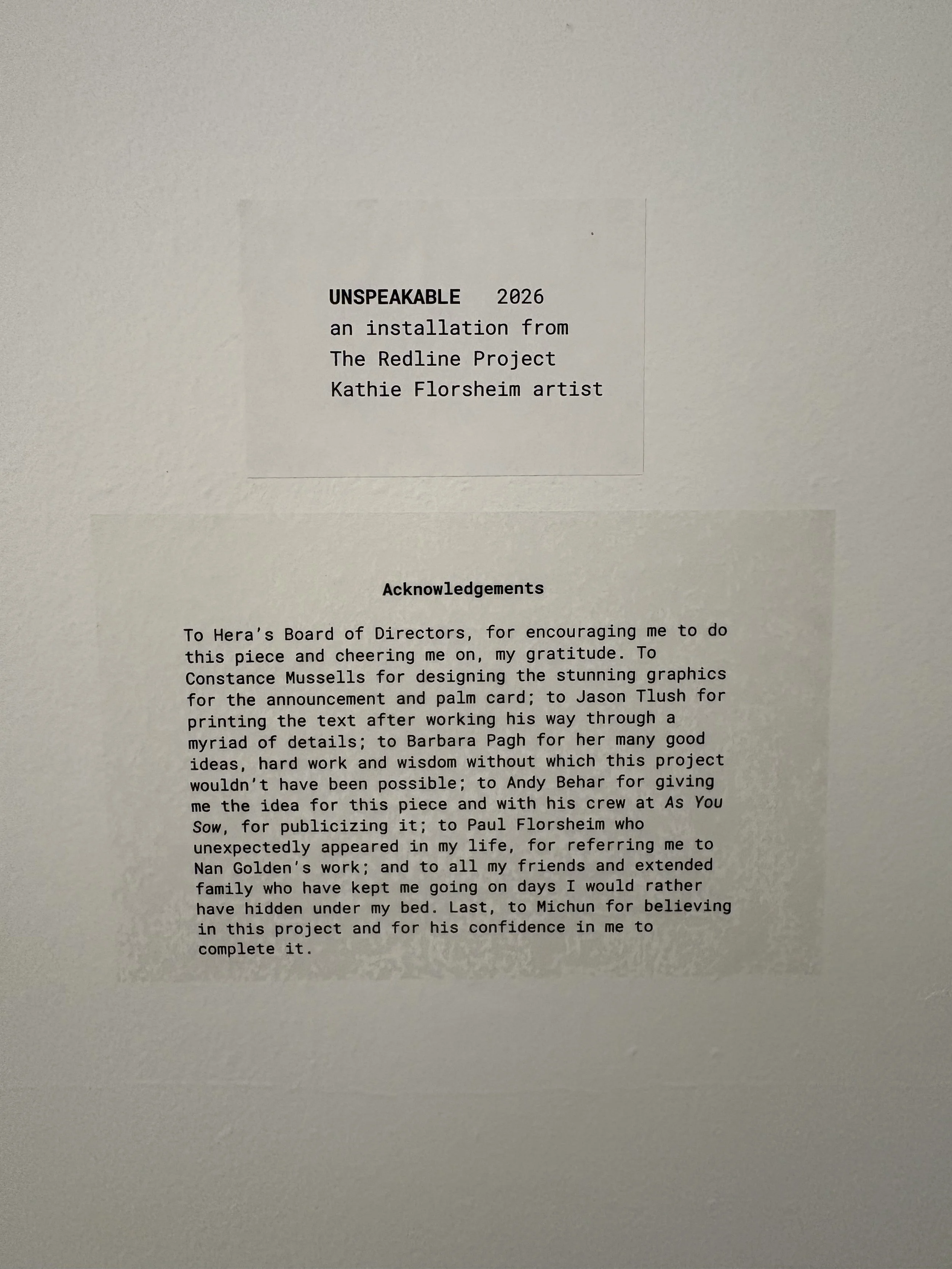
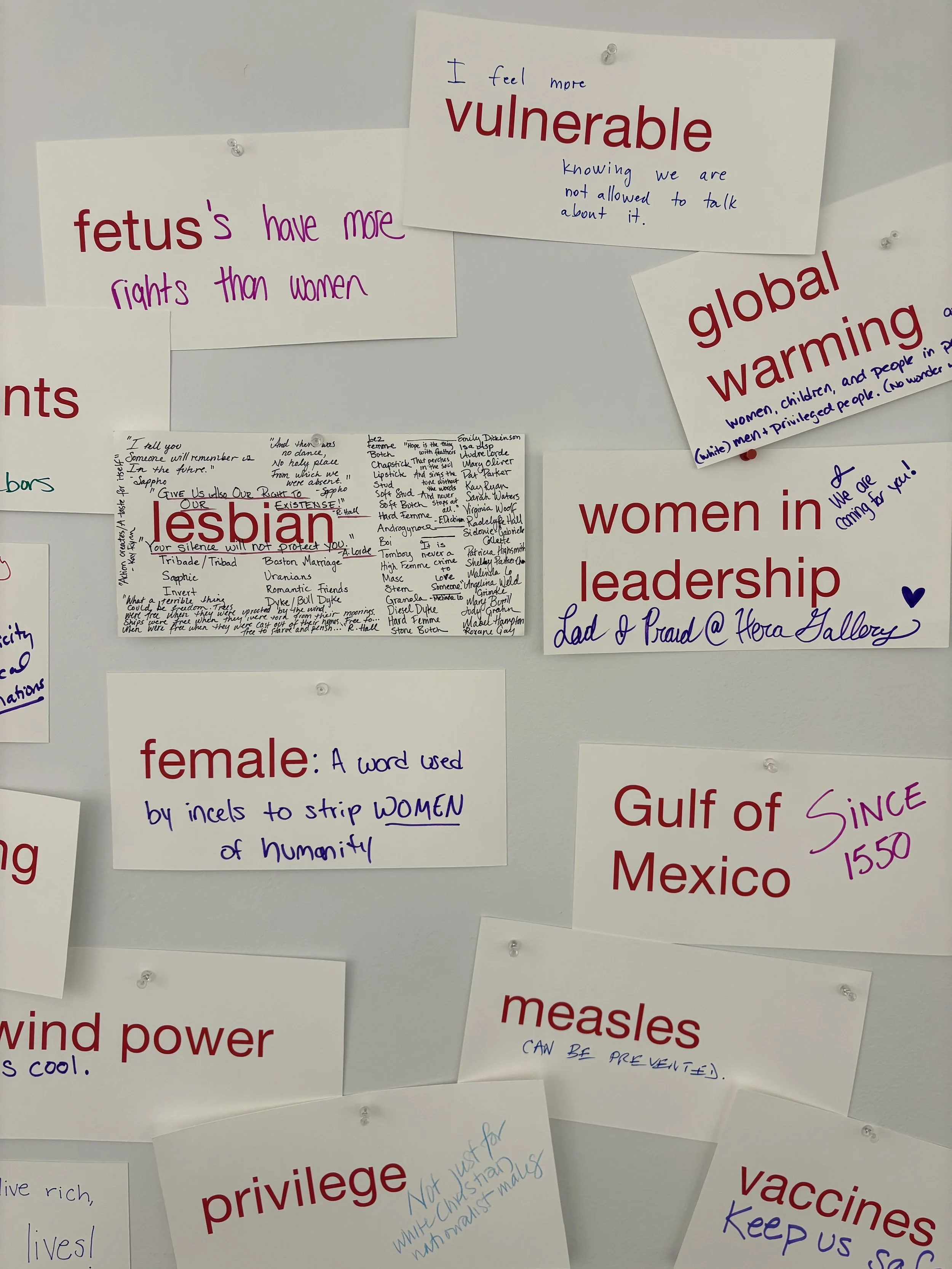
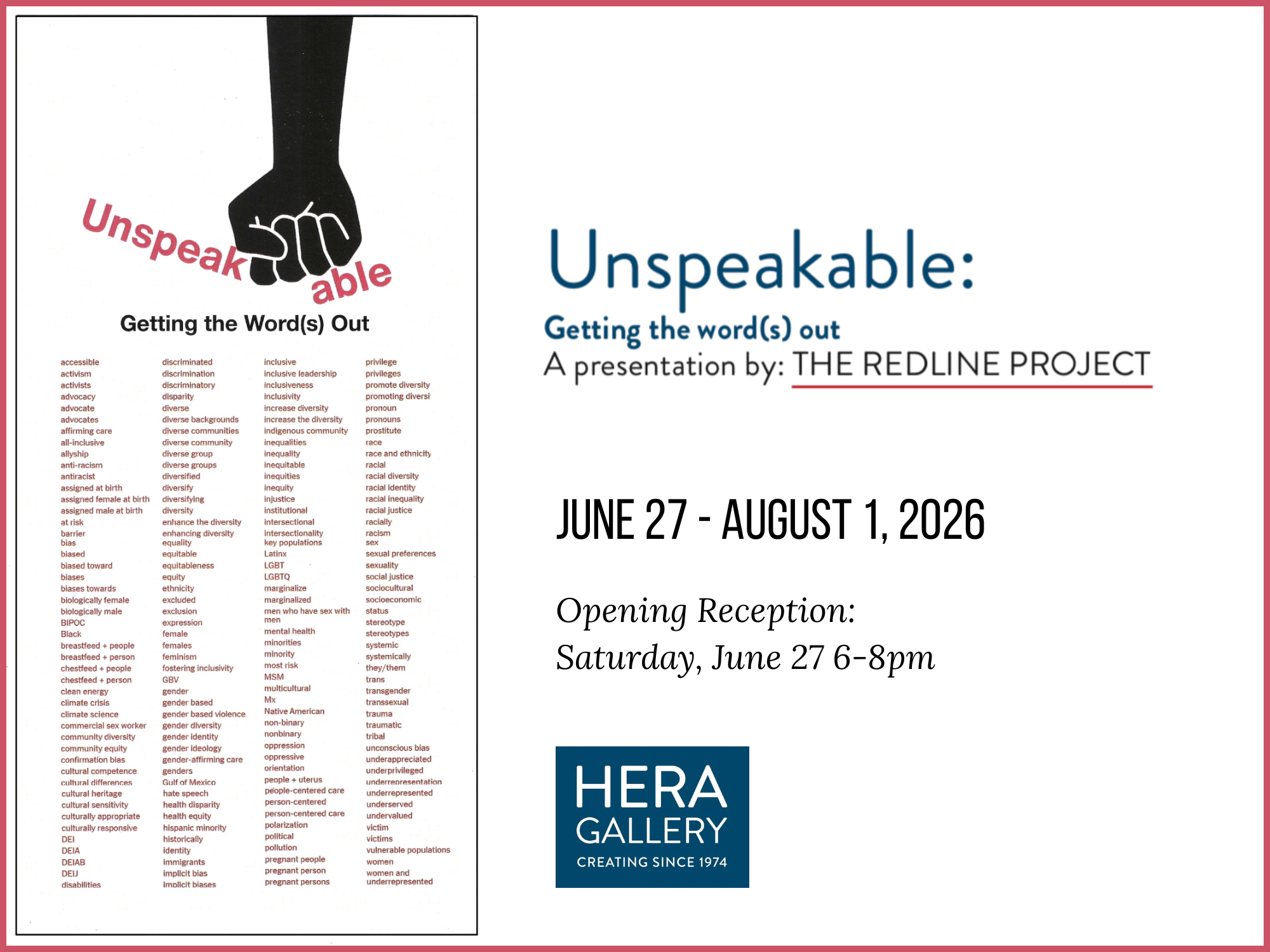
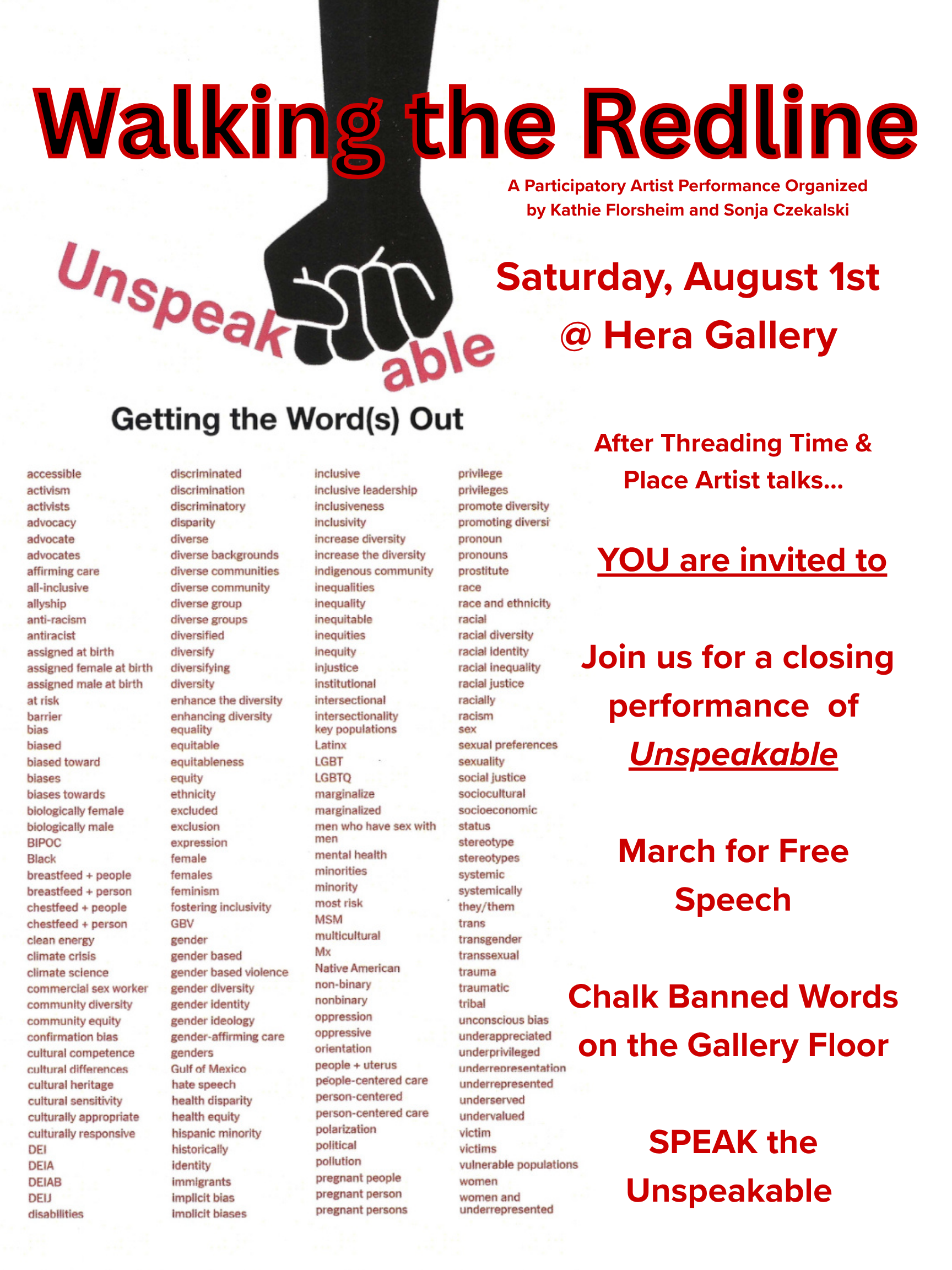
Unspeakable: Getting the word(s) out
Presented by The Redline Project
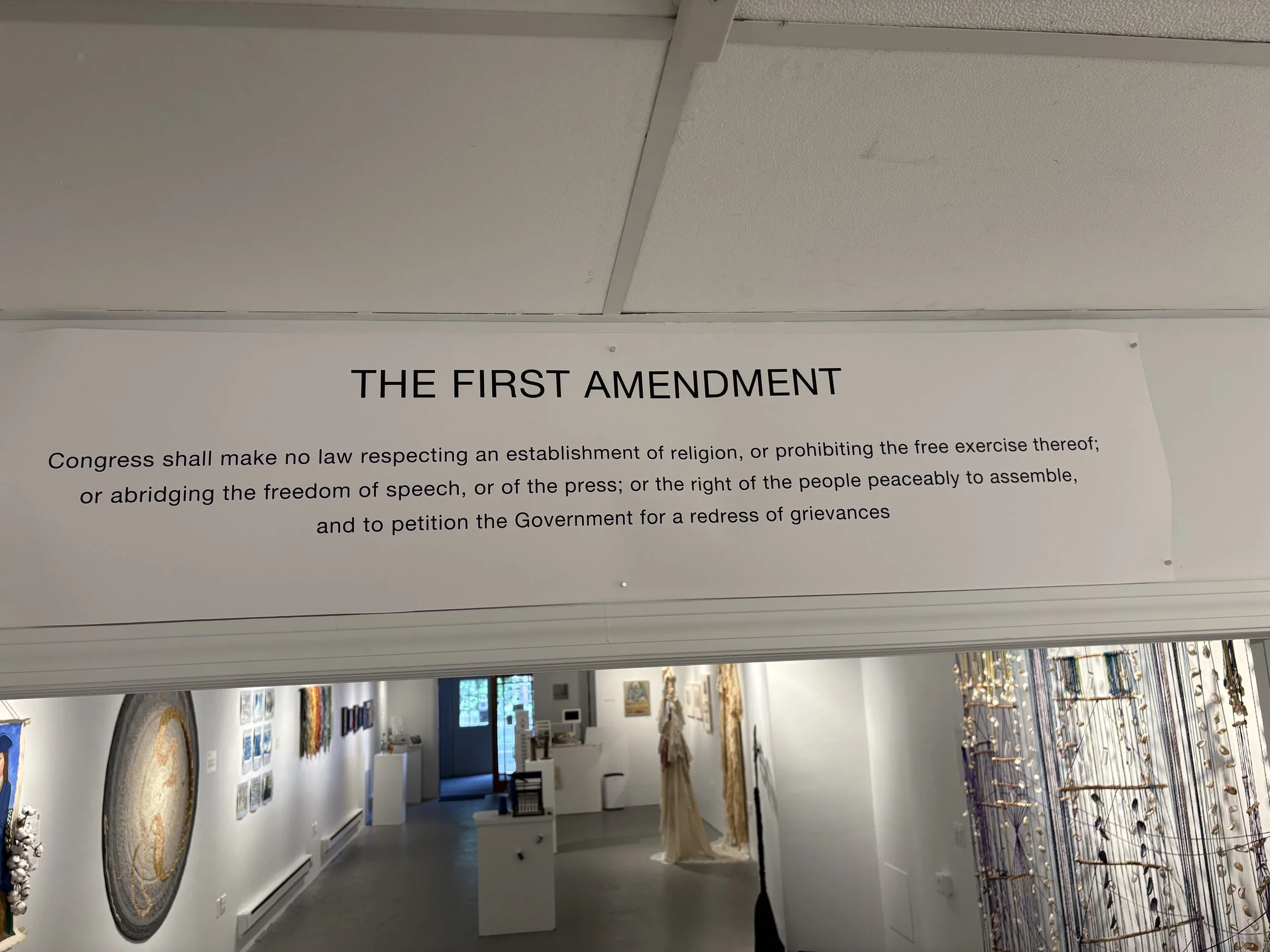
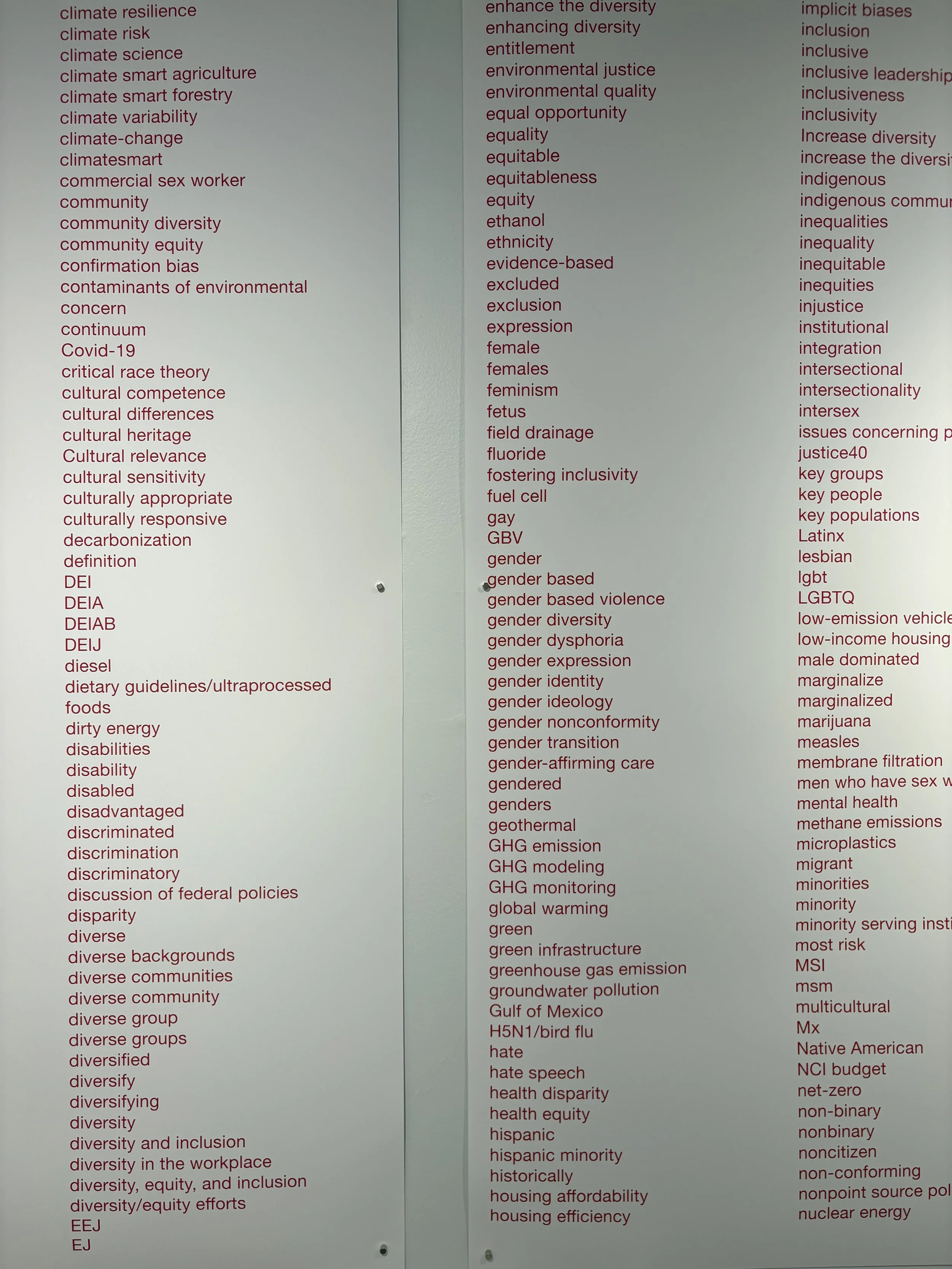
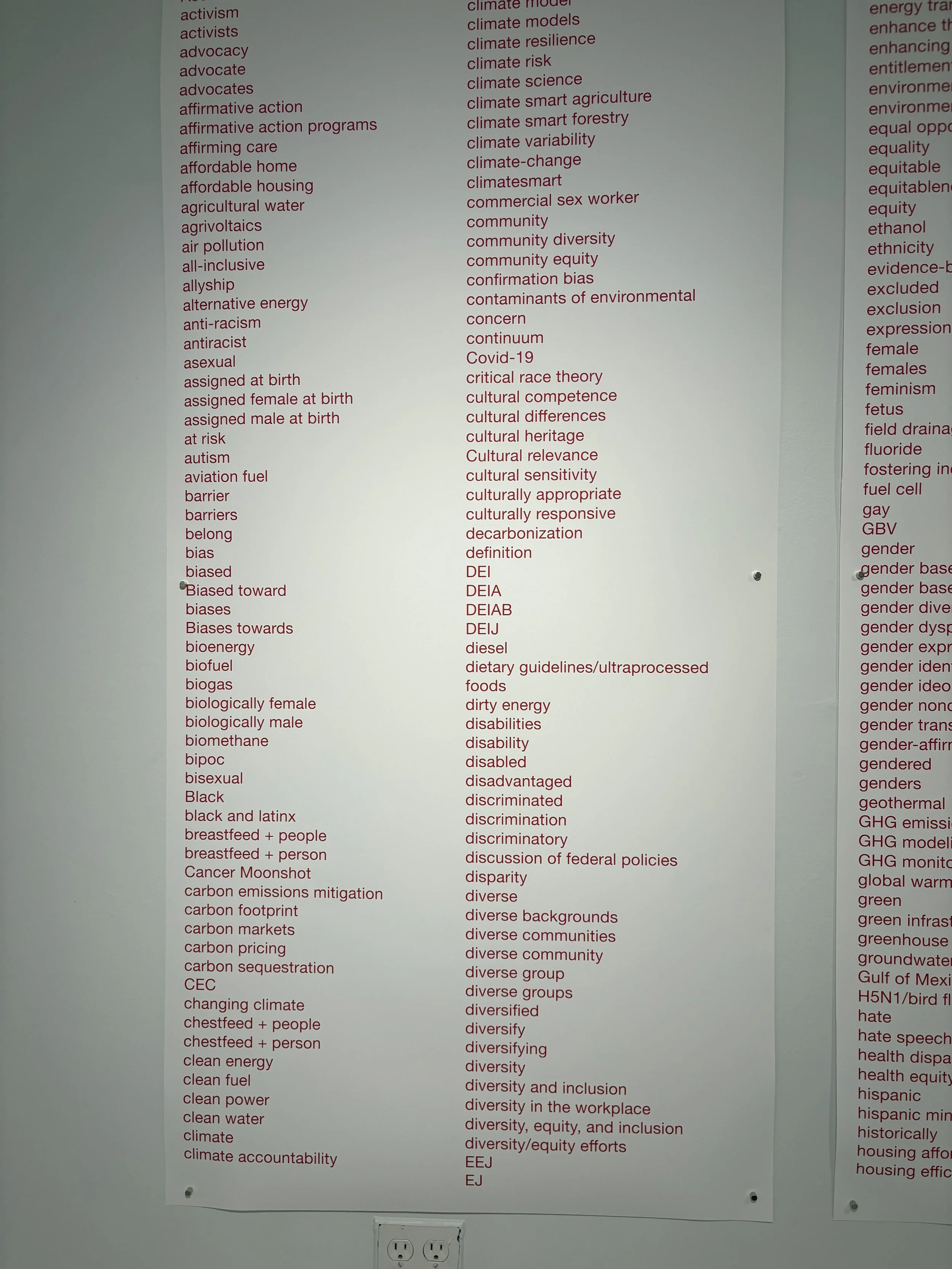
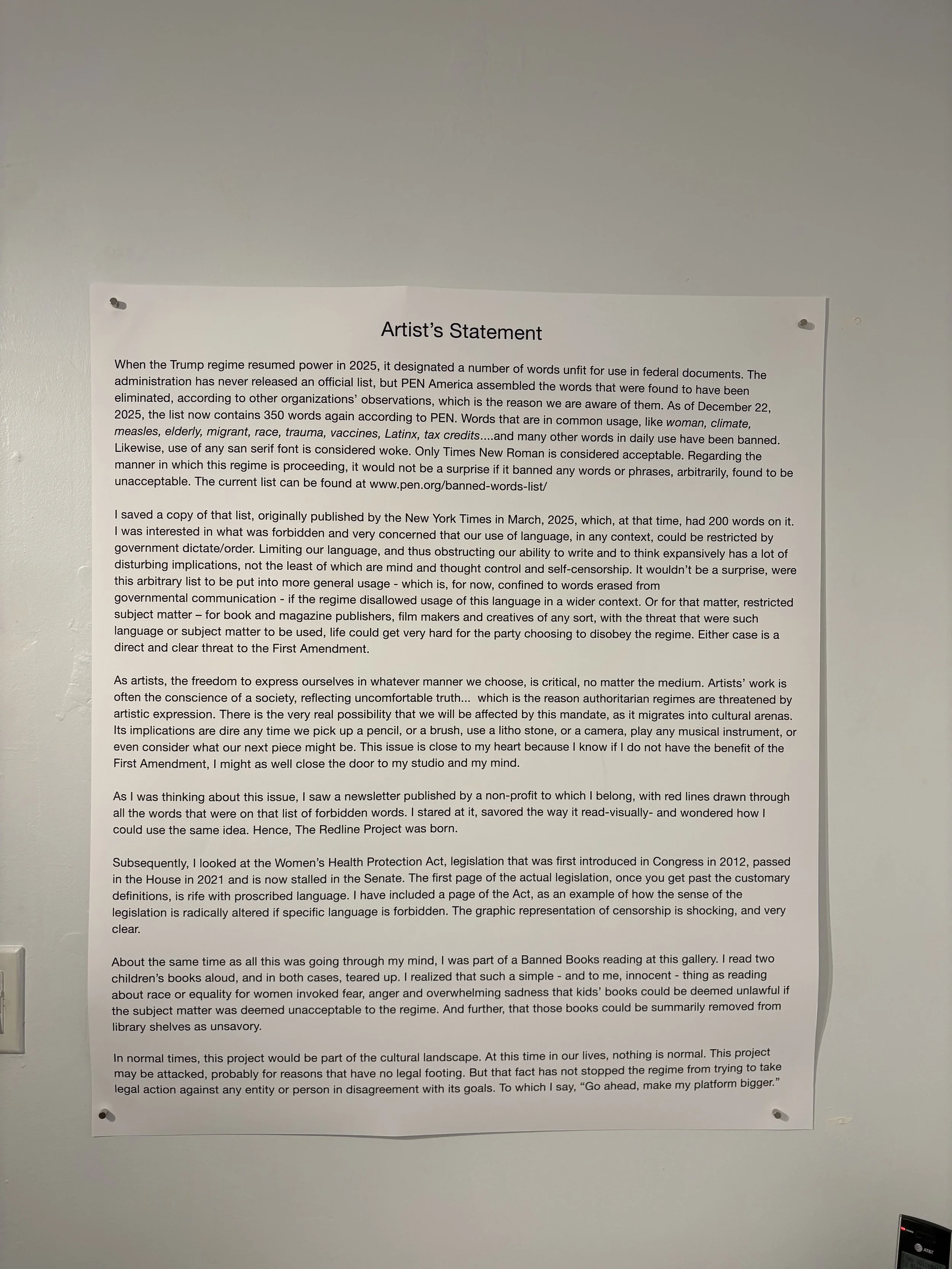
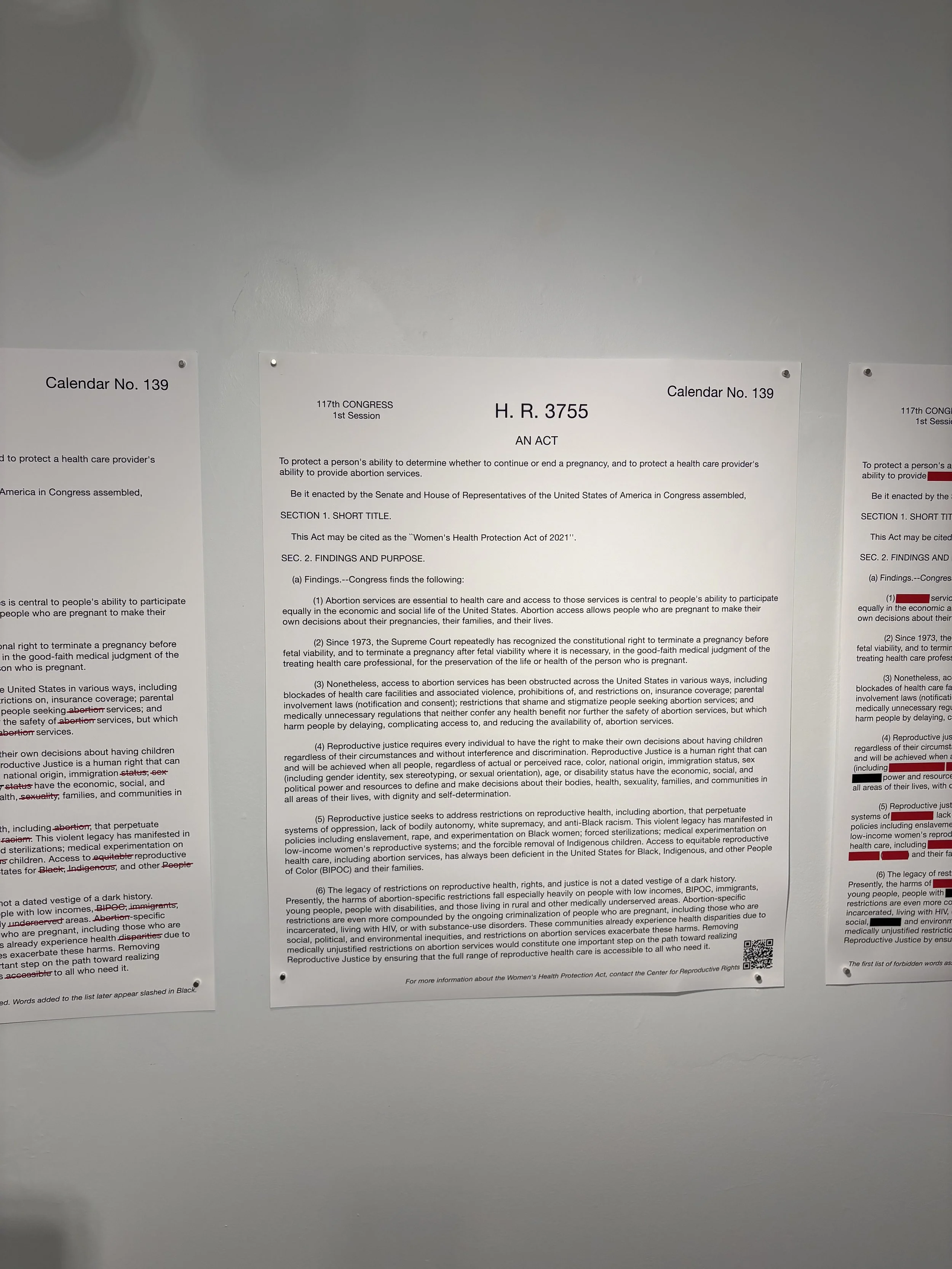
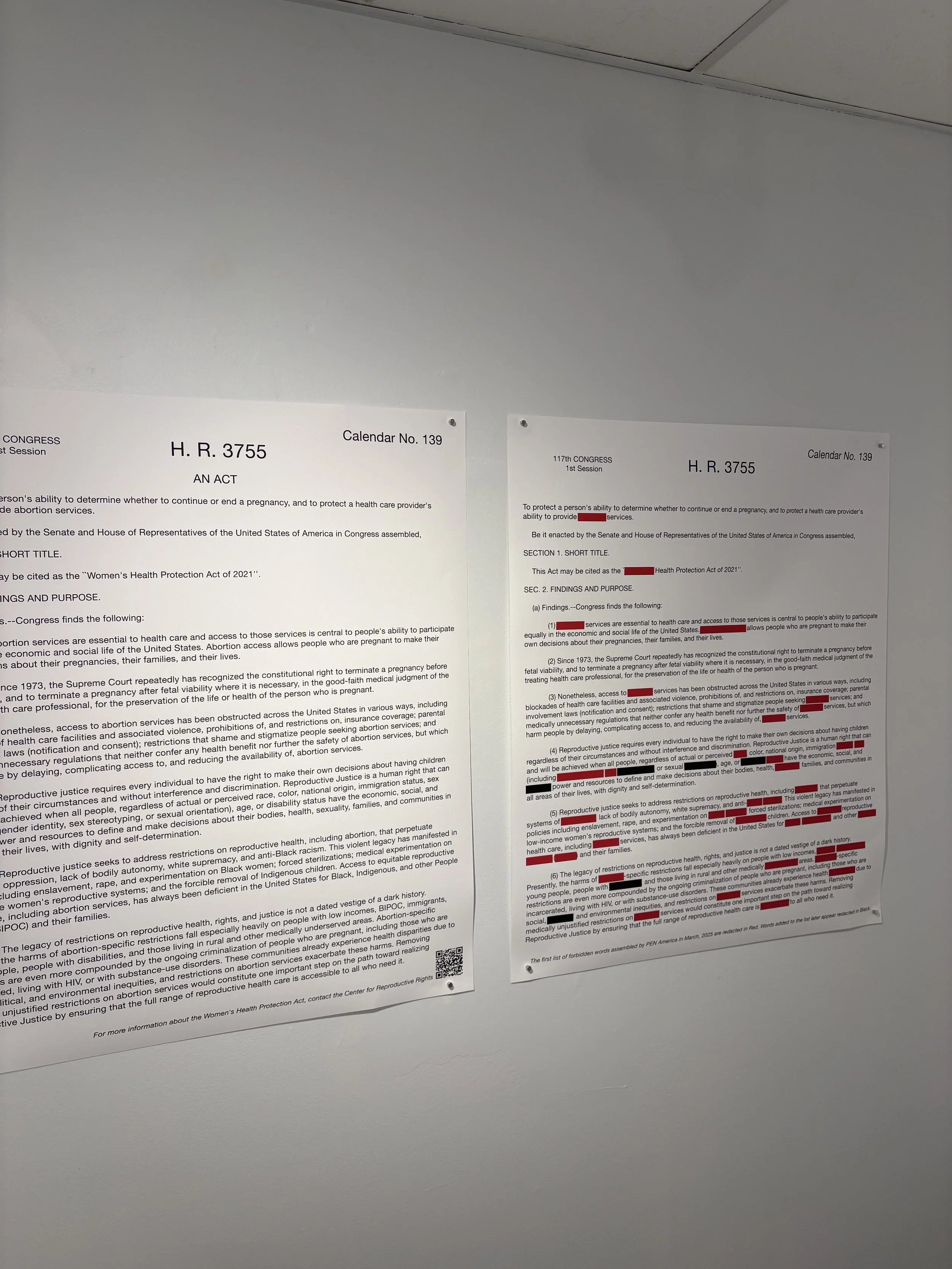
The Redline Project explores the growing impact of censorship, restricted language, and self-censorship in contemporary American culture. Prompted by reports of words discouraged or removed from use in federal documents, the project considers how limitations on language can shape thought, silence communities, and narrow public discourse. Through text-based work and visual intervention, The Redline Project asks viewers to consider what is lost when language itself becomes politicized — and what role artists, writers, and citizens play in resisting that erasure.
As a part of the closing reception for the Hera Gallery exhibition project, Threading Time and Place, you are invited to join us for an artist-led performance by Kathie Florsheim and Sonja Czekalski. On Saturday, August 1, promptly following the artist talks that start at 2 pm at Hera Gallery, volunteers will be asked to participate by choosing a word from the list of 350 banned words assembled by PEN America, as shown in the project "Unspeakable: Getting the word(s) out," that explores the growing impact of censorship, restricted language, and self-censorship in contemporary American culture. After writing their chosen word in red ink on a sheet of white paper, participants will march outside and stand with their signs to recite their chosen words and their meanings. While holding their signs, artist Kathie Florsheim, Sonja Czekalski, and additional volunteers will read the list of words removed from federal documents. Afterward, participants will chalk their words on the sidewalk before returning to the gallery to chalk the floors. As visitors walk through the final hours of the exhibition, these written words will slowly fade from sight—just as the words on the sidewalk will wear away under the footsteps of passersby. Through text-based work and visual intervention, The Redline Project asks viewers to consider what is lost when language itself becomes politicized — and what role artists, writers, and citizens play in resisting that erasure.
Here’s a link to the current list: https://pen.org/banned-words-list/.
On view in the Backspace Gallery as part of the Threading Time & Place exhibition.
For more information: contact@theredlineproject.org
July 18
Human Loom & Interwoven Histories
2pm | Free & Open to All
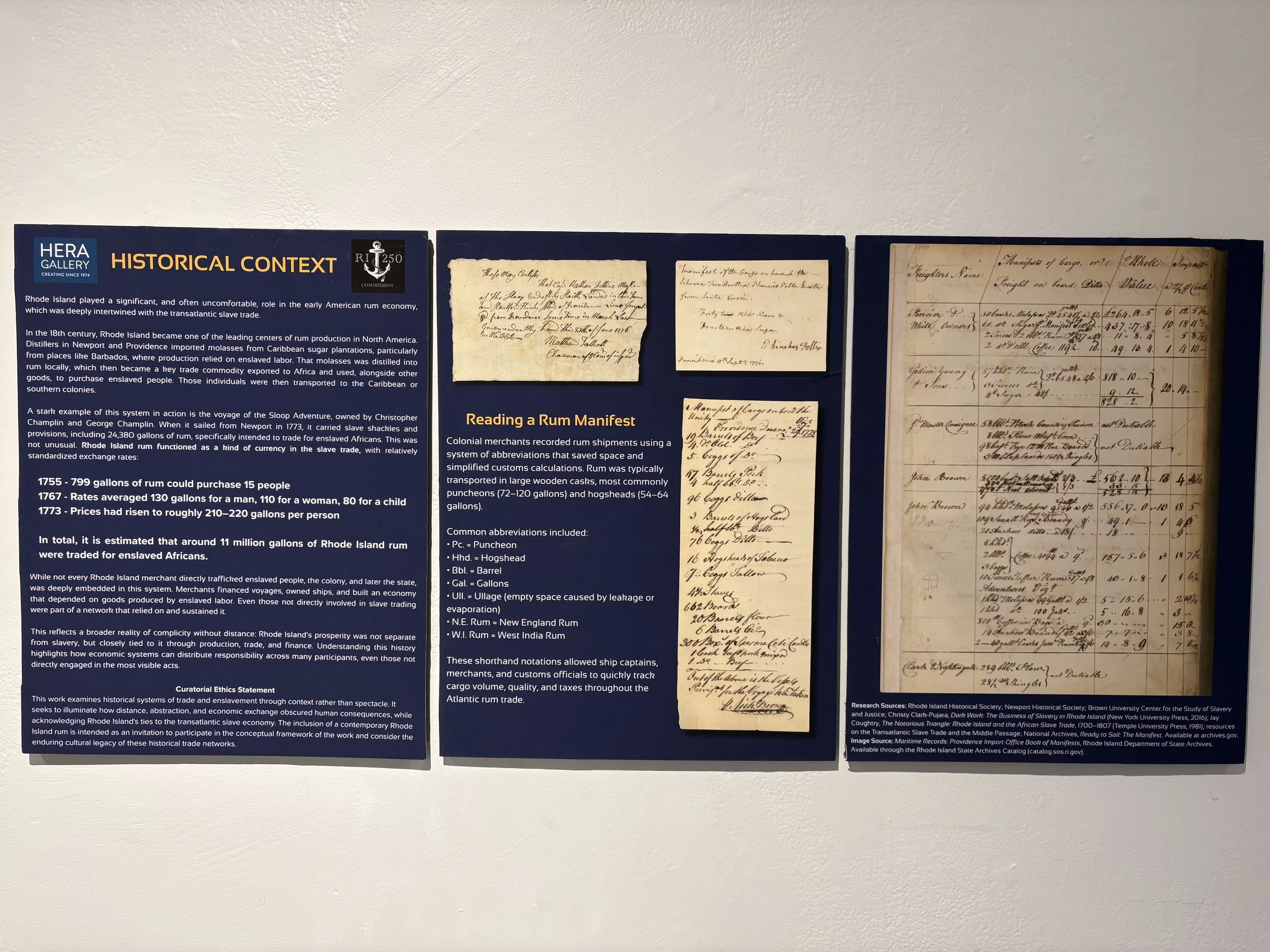
This is a public engagement project investigating the complex legacy of the Wakefield mill. While the mill now houses the gallery, its history is rooted in the production of "slave cloth"—the coarse textile exported to the American South to clothe enslaved people. This project marks the first community-driven, hands-on exploration of the mill's industrial past. By translating archival research into tactile experience, we aim to bridge the gap between South Kingstown’s local industry and the broader narrative of the American 250th anniversary. Experience weaving on a table loom and participate in the human loom event.
Jaimee Veronneau Roberts is a weaver, fiber artist, and educator dedicated to creating colorful art that functions as a catalyst for community dialogue. She uses her expertise to create art based community activities that explore Rhode Island history, highlight local charities, and expand individuals fiber arts knowledge and skills.
July 16
Speaker Series
6-8pm | Free & Open to All
The Negro Cloth Industry: South County's Sad Little Secret
G. Tim Cranston, Town Historian for the Town of North Kingstown, RI will present on the history of the negro cloth industry in South County Rhode Island, its manufacture, impact and resulting economic disparities in the region. Cranston’s extensive research delves into the industry that built Peacedale and other South County communities. In comparison to the better-known histories of the negro cloth industry in Providence, Newport and other parts of Rhode Island, Cranston’s research reveals the significant contribution of South County, perhaps even more so, to this ‘niche’ economy.
This Mill as a Text
Presentation by Karl Aspelund, Associate Professor, Textiles, Fashion Merchandising and Design and Associate Director, Honors Program, The University of Rhode Island. Dr. Aspelund’s research spans historical dress culture to researching textile and apparel needs for long-duration space travel. He is a member of the 100 Year Starship research team.
Dr. Aspelund will present on the topic of This Mill as Text, the idea that the spaces we inhabit have stories to tell. What has this building seen? Once a place of economic benefit for a select few and other fates for others, Wakefield Mill holds significant history. Hera Gallery is now in this space and can speak to that history and bring it to life. Moving forward, what does this space say about us now? Going a step further, what is the Revolution the textile industry needs to undergo?
July 25
Silvy Tory: A Declaration of Independence
2pm | Free & Open to All
Soares tells the stories of Rhode Island historical individuals of color in the context of key moments in the State’s history. For this project, Soares will enact “Silvy Tory: A Declaration of Independence -- It is July 3, 1837. Reflecting on ‘independence,’ aged Rhode Islander ‘Silvy Tory,’ enslaved by 1750, speaks on the burning of the Gaspee, the American Revolutionary War, the RI Black Regiment and RI ‘Black Governors’ (1700-1800s).” Followed by a Q&A with the audience.
Performance by Sylvia Ann Soares, Theater Artist, AEA, SAG-AFTRA
August 1
Artists Talk & Closing Reception
2-4pm | Free & Open to All
Hera Gallery artists Uli Brahmst, Sonja Czekalski, Joanne Delmonico, Karen Dolmanish, Kathie Florsheim, Michelle Henning, Barbara Pagh, Susan Sancomb, Sarah Swift, Viera Levitt, and Wendy Wahl will exhibit works that speak to the core themes of hope, freedom, equality, and independence, as well as the dynamic aspects of revolution, ranging from historical perspectives to current manifestations.
Historical objects, photographs, and ephemera will be loaned and on view from the Wakefield Mill owner, Eric Bell, and the South County History Center in Kingston.
Images from the Exhibition